
 DogExpress

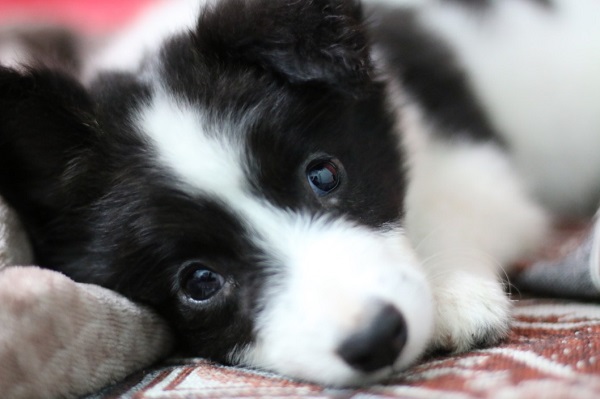
Dogs are loyal companions, but they can also feel anxiety. Anxiety in dogs can affect their daily routine, their behavior at home, and your time together.
This guide explains what causes anxiety in dogs, how to recognize the signs, and practical steps you can take to help your dog feel more comfortable and confident.
Why Do Dogs Experience Anxiety? Understanding the Root Cause
Dogs can feel stress or fear in many situations, but they cannot tell you directly. They show their feelings through changes in their body language and behavior.
There are several common causes of anxiety in dogs:
- Fear-based Anxiety – Loud noises like thunder, fireworks or household appliances, unfamiliar people or animals, strange environments or surfaces such as slippery floors can trigger fear reactions in sensitive dogs.
- Separation anxiety: Many dogs feel anxious when left alone or away from their favorite people. This is a common type of anxiety in dogs.
- Age-related anxiety: Older dogs can develop anxiety as their memory and awareness decline. This is similar to dementia in people.
- Lack of early socialization: Dogs that were not exposed to different places, people, or other dogs as puppies may be more fearful or uncomfortable in new situations.
It is important to know what causes your dog’s anxiety. This helps you choose the best way to support your dog and stop anxiety from getting worse.
Read Also: Is Your Dog Suffering From Anxiety?
Recognizing the Signs: How to Tell if Your Dog Is Anxious
It is not always easy to notice anxiety in dogs, especially at first. Many dogs show small changes before the anxiety gets worse. If you learn to spot these early signs, you can help your dog sooner.
Here are the most common signs of anxiety you may notice:
Behavioral Changes
- Excessive barking or whining: If your dog is making more noise than usual, it can be a sign of stress.
- Destructive habits: Chewing furniture, scratching doors, or tearing things near windows or doors can mean your dog is upset, especially if this happens when they are alone.
- Restlessness or pacing: If your dog cannot settle down, even when it is quiet, this can be a sign of anxiety.
- Clinginess: If your dog follows you everywhere or does not want to be apart from you, this can be a sign of separation anxiety.
- Loss of interest: If your dog does not want to play with toys, go for walks, or join in playtime, this may be a sign of anxiety or depression.
Physical Signals
- Panting without exercise: If your dog is breathing heavily when it is not hot or after exercise, this can be linked to anxiety.
- Trembling or shaking: If your dog is shaking even when calm, this often means they are afraid.
- Lip-licking or yawning a lot: These are common ways dogs try to calm themselves when they feel uncomfortable.
- Dilated pupils or wide eyes: If your dog looks scared or stressed, this can be a clear sign of anxiety.
- Urinating or defecating indoors: This can happen with separation anxiety, even if your dog is usually house-trained.
Repetitive or Compulsive Actions
- Tail chasing, spinning, or circling: Repetitive movements like these can be a sign of stress.
- Pacing or excessive grooming: If your dog is grooming so much that bald spots appear, or is always pacing, this can mean they are stressed.
Dogs can show several of these signs at the same time, or just a few mild ones. It is important to watch your dog’s behavior and look for causes, so you can notice anxiety early and help your dog.
Read Also: 7 Tips To Help Your Dog Or Puppy Deal With Separation Anxiety
Common Anxiety Triggers in Daily Life
Each dog is different, but some triggers are common:
- Thunderstorms and Fireworks – sudden loud noises can cause panic for many pets.
- Separation from Owners – leaving the house, even for short periods, can cause distress in dogs with attachment anxiety.
- Car rides: Some dogs feel nervous in the car, especially if they have had bad experiences before.
- Social situations: Meeting new dogs, people, or being in crowded places can make some dogs feel overwhelmed.
- Vet visits and grooming: Even regular appointments can be stressful for dogs if they are not used to them.
If you know what triggers your dog’s anxiety, you can manage it better and use the right methods to help your dog.
Effective Ways to Comfort and Help Your Anxious Dog
Helping a dog with anxiety takes time and patience. It is best to use a combination of different strategies to help your dog improve.
- Build Confidence Through Predictable Routines
Dogs do well with a regular routine. Try to feed, walk, play, and let your dog rest at the same times each day. This helps your dog know what to expect and can lower anxiety. You can also use simple commands, like asking your dog to sit before a treat or a walk, to help them feel more in control.
- Teach Calming Commands and “Settle” Skills
It is helpful to train your dog to relax on command. Start by teaching cues like ‘settle’ or ‘calm’ in a quiet place. Practice these cues in busier places as your dog improves. Always reward your dog for calm behavior with treats, praise, or gentle attention.
- Provide a Safe, Comfortable Space
Set up a safe area for your dog, like a comfortable bed, an open crate, or a quiet spot in your home. Make this space positive by adding toys, treats, or giving gentle praise. Encourage your dog to go to this area when they feel stressed.
- Mental Stimulation and Interactive Play
It is important to give dogs with anxiety mental stimulation. You can use interactive play, puzzle toys, scent games, or short training sessions to keep your dog busy and help lower stress. Avoid very active or exciting games if your dog is already anxious.
- Gradual Desensitization and Counterconditioning
Instead of avoiding triggers, you can try gradual desensitization. This means exposing your dog to the trigger in small, controlled amounts and giving treats or praise. For example, if your dog is afraid of fireworks, play quiet recordings at a low volume and reward calm behavior. Slowly increase the volume as your dog gets used to it.
Go slowly and watch your dog’s comfort level. It is best to do this with help from a professional trainer or behaviorist.
- Preventive Training and Socialization
Early socialization — gently exposing puppies to a variety of people, sounds, environments, and other dogs in a positive way — builds resilience and reduces anxiety in adult dogs. Even adult dogs benefit from controlled positive interaction, which increases confidence and reduces fear responses over time.
Read Also: Is CBD Safe For Your Dog With Anxiety?
When Your Dog Needs Professional Help
Sometimes anxiety is more serious and does not go away on its own. In these cases, your dog may need professional help.
Consult Your Veterinarian
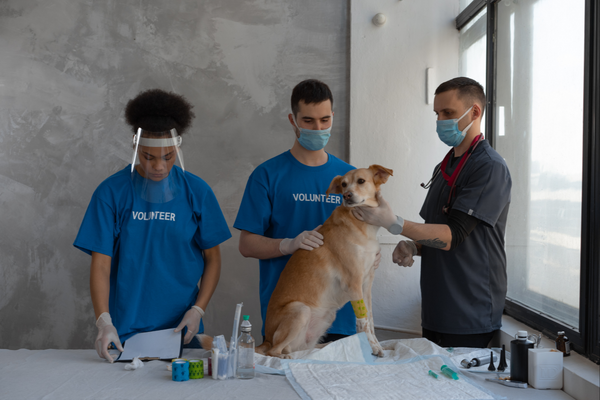
A veterinarian can check for medical problems that may cause anxiety and suggest a treatment plan. This can include training, changes at home, or sometimes medication.
Behaviourists and Trainers
Professional dog trainers and behaviorists can help with anxiety. They use methods like desensitization, counterconditioning, and confidence-building to support your dog.
Medication and Natural Aids
Some dogs with severe anxiety may need medication. Your vet may suggest anti-anxiety medicine or natural calming aids. It is important to talk to your vet before starting any new treatment.
What Not to Do: Common Mistakes That Can Make Anxiety Worse
Some common reactions can make anxiety worse, even if you are trying to help:
- Punishing fearful behavior: Yelling, scolding, or punishing a dog for anxious actions makes their fear worse, not better.
- Forcing them into triggers: Making a dog face something they fear without preparation can make their anxiety worse.
- Inconsistency: Changing signals, routines, or responses can confuse your dog instead of helping them feel safe.
It is essential to be patient, consistent, and calm. Your attitude can help your dog feel more secure and relaxed.
Bringing It All Together: Your Role as a Supportive Dog Parent
Helping a dog with anxiety takes time and patience. If you watch for signs and take action, you can support your dog and help them feel safer.
Here are the key takeaways:
- Anxiety is real and common in dogs. It is often caused by specific triggers.
- Early signs are important. Subtle changes in body language, behavior, or routine are your first clues.
- A combination of routine, confidence-building, calm training, and positive experiences is best.
- Severe or long-term anxiety needs support from a veterinarian or professional behaviorist.
- Patience, consistency, and care are your most important tools.
With the right care and support, you can help your dog feel more confident and comfortable.
Conclusion
Anxiety in dogs is common, but the good news is that it can be managed with understanding, patience, and care. If you learn to spot the early signs of stress and find out what triggers your dog’s anxiety, you can help before it affects your dog’s well-being. Fear of loud noises, being away from loved ones, or changes in routine are all ways your dog shows they need reassurance and safety.
Creating a calm environment, keeping a regular routine, giving mental stimulation, and using positive training can help your dog feel more secure. For dogs with long-term anxiety, it is important to get help from a veterinarian or professional behaviorist. Remember, your patience and consistency are important for your dog’s emotional health. With the right care, you can help your dog move from fear to confidence and comfort.













 in Chandigarh, India.