
 DogExpress

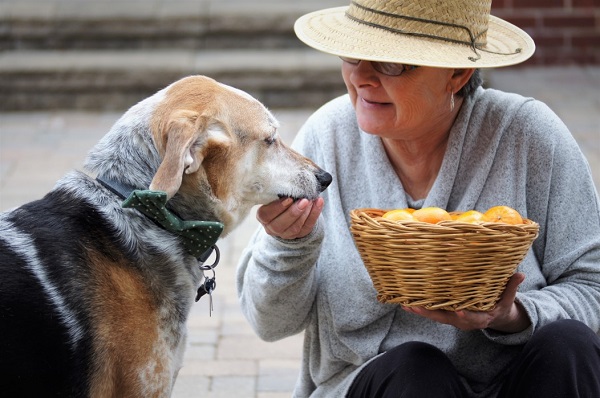
The bond we have with our dogs brings so much happiness. From playful puppies to loyal companions, every moment matters. As our dogs get older, usually around 7 for medium and large breeds, 11 for small dogs, and as early as 5 for giant breeds, their needs change. It can be hard to see these changes, but learning about the health challenges senior dogs face helps us care for them better and keep them comfortable and happy.
Just like humans, aging pets can experience a range of health concerns, including mobility issues, cognitive decline, vision and hearing impairment, and incontinence. Proactive observation of your senior dog for any difficulties with rising, jumping, or walking is essential. Making adjustments to their home environment and lifestyle can not only enhance their quality of life but also reduce the risk of injury and alleviate pain as they age.
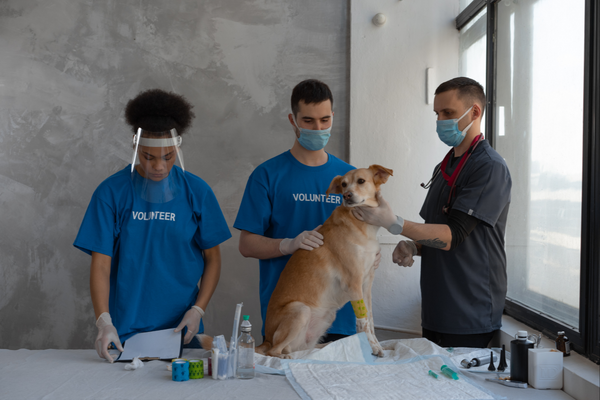
Regular vet visits, ideally twice a year, are important for older dogs. Their health can change quickly, so seeing the vet often, especially if your dog takes medication, helps catch problems early and adjust their care as needed.
Here are some common health issues senior dogs may face, along with ways you can help them stay happy and healthy.
Navigating Mobility and Joint Health through Aches and Pains
One of the most noticeable changes in older dogs is a slower pace and potential stiffness. This is often due to arthritis, or osteoarthritis, a condition where the cartilage in their joints breaks down, leading to pain, inflammation, and reduced movement. Larger and giant breeds, as well as overweight dogs, are particularly more prone to arthritis.
Recognizing the Signs of arthritis:
- Difficulty getting up from sitting or lying down, or stiffness after rest.
- Decreased interest in activities like running, jumping, playing, or climbing stairs.
- Limping or lameness, or favoring one leg.
- Loss of muscle mass, especially in their hindquarters.
- Trouble squatting for bathroom breaks.
- Irritability or sensitivity to petting or touch.
If you notice these signs, your vet can check your dog’s joints with an exam and X-rays. While arthritis can’t be cured, treatment can help manage pain and slow it down.
How you can help their mobility:
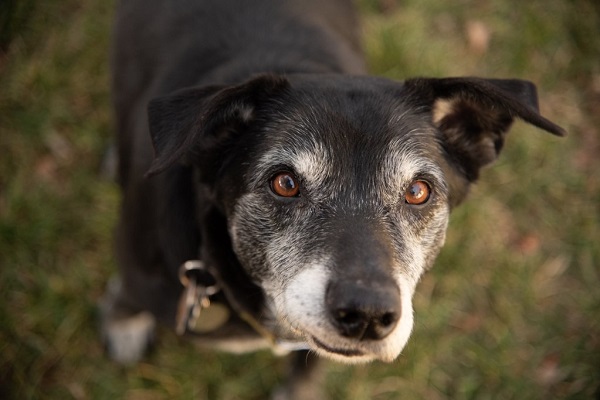
- Pain Relief & Supplements: Your veterinarian might recommend medications like non-steroidal anti-inflammatories or joint supplements such as glucosamine, chondroitin, and MSM, which can reduce inflammation and support cartilage health. Other beneficial supplements include “avocado and soybean unsaponifiables” and curcumin. Ideally, joint supplements should start before arthritis develops, but they can still be very helpful for dogs already experiencing the condition.
- Weight Management: Helping your dog stay at a healthy weight takes pressure off their joints and helps them feel better.
- Physical Therapy: Swimming or using an underwater treadmill can help keep your dog’s muscles strong. If your dog doesn’t like water, exercises on land with a therapist, as well as massage or light therapy, can also help reduce pain.
- Orthopedic Beds: These beds offer crucial cushioning and easier entry, preventing uncomfortable pressure sores common in aging dogs with decreased mobility and muscle mass.
- Ramps and Stairs: Ramps or dog stairs can help your dog get on beds, couches, or into the car without putting stress on their joints. For big staircases, it may be safer to carry small dogs or keep them on one floor.
- Floor Coverings: Slippery floors can be hard for older dogs to walk on and may cause injuries. Placing rugs or yoga mats can give them a better grip and make walking easier.
- Elevated Food and Water Bowls: If your dog has trouble bending down to eat or drink, try raising their bowls. For large dogs, keep the bowl about 6 inches below their chest; for small dogs, about 3 inches.
- Mobility Aids: Harnesses with handles can help you support your dog on stairs or rough ground. For bigger challenges, wheelchairs, strollers, or carts can help, though some dogs need time to get used to them. You might find used options through your vet or online.
- Dog Shoes: Shoes can help dogs with joints or nerve problems get better traction and avoid slipping, but it may take a while for your dog to adjust to wearing them.
Mind Matters in Understanding Canine Cognitive Decline
Just like humans, dogs can experience cognitive changes as they age, and the condition is known as Cognitive Dysfunction Syndrome (CDS), often referred to as dog dementia, and it’s like Alzheimer’s disease in people. CDS is caused by age-related changes in the brain, including oxidative damage, poor blood circulation, and the accumulation of toxic proteins that lead to neuron death, especially in areas responsible for memory.
Diagnosing CDS involves ruling out other health conditions that might cause similar symptoms, such as sensory loss or endocrine disorders. Studies suggest that CDS affects a significant number of senior dogs, with prevalence increasing with age.
The common signs of CDS are often remembered with DISHAAL:
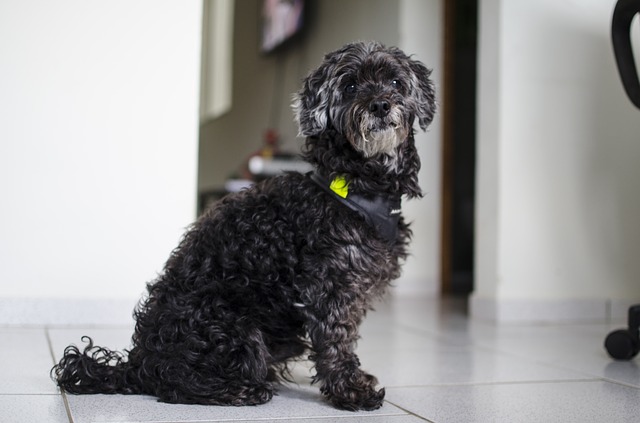
- Disorientation: Your dog might appear confused, get stuck in corners, wander aimlessly, or try to exit through the hinge side of a door.
- Interactions: Changes in social relationships with family members or other pets, becoming unusually clingy or aloof.
- Sleep-Wake Cycle: Disturbed sleep patterns, such as sleeping more during the day but becoming restless or agitated at night (known as Sundowner Syndrome).
- House Soiling: Forgetting house training and having accidents indoors.
- Activity: Shifts in activity levels, either becoming more restless and paced or more lethargic.
- Anxiety: Developing new fears, increased clinginess, or vocalization.
- Learning and Memory: Forgetting previously learned commands, slow learning of new behaviors, or difficulty adapting to changes.
Managing CDS focuses on slowing its progression and improving comfort:
- Medications & Supplements: Your vet may prescribe medications like selegiline (to slow oxidative damage) or propentofylline (to improve brain circulation). Supplements such as SAMe, vitamin E, ginkgo biloba (as antioxidants), and omega-3 fatty acids can also support brain function.
- Dietary Support: Diets rich in fish oils or medium-chain triglycerides (MCTs), or specialized veterinary diets like Purina NeuroCare or Purina Bright Mind, have shown benefits.
- Mental Stimulation: Engaging your dog’s brain is vital. Use puzzle toys, provide new stuffed animals, and conduct easy training exercises or treat searches around the house. The goal is brain exercise, not just successful completion.
- Routine & Environment: A consistent daily routine for feeding, potty breaks, activities, and bedtime can provide security. Nightlights can be very helpful in areas your dog sleeps or frequents, especially if they have vision or hearing impairment, to prevent injury and make them feel safe in the dark. Reducing clutter around the home also improves confidence in movement, particularly for dogs with dwindling eyesight.
Sensory Changes in Vision and Hearing Loss
As dogs get older, their vision and hearing can slowly fade. It can be hard to notice at first, but dogs often use their other senses to adjust.
Signs of Vision and Hearing Loss in Dogs
| Signs of Vision Loss
|
Signs of Hearing Loss
|
| Bumping into furniture or walls, especially in new environments. | Sleeping more soundly, not being roused by sounds that previously would have woken them.
|
| Hesitation when jumping on or off furniture or navigating stairs.
|
Ignoring commands or their name when called. |
| Difficulty locating toys or food and water dishes.
|
Not being disturbed by loud noises.
|
| Not making eye contact.
|
Ignoring sounds that used to excite them, like a squeaky toy.
|
| Becoming anxious or clingy.
|
Becoming startled more easily or more sensitive to strange sounds.
|
| Changes in the appearance of their eyes, such as cloudiness, or grey or white spots.
|
Other behavioral changes like snapping, anxiety, or aggression. Hearing loss is often due to the deterioration of nerves in the ear.
|
| Causes can include glaucoma, cataracts, or hypertension.
|
Most sensory loss can’t be reversed, but some causes need quick vet care. Keeping your home safe and clutter-free helps your dog move around with confidence.
|
Internal Systems and Organ Health with Other Concerns
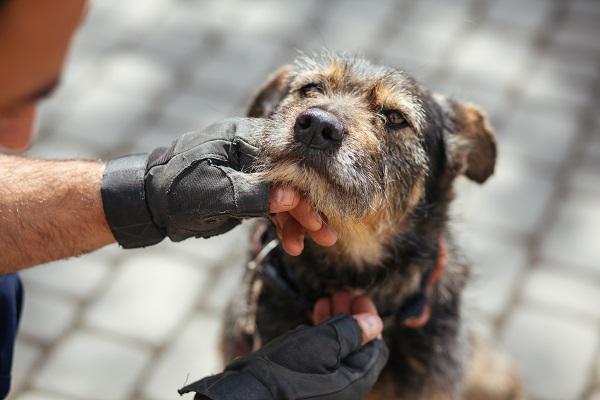
Older dogs can also face other health problems inside their bodies, not just with movement or memory.
- Obesity: Many older dogs become less active,and their metabolism slows down, making them prone to weight gain. Obesity exacerbates conditions like arthritis and increases the risk of heart disease. Signs include a lack of a waist, no abdominal tuck, and ribs that aren’t easily felt. Regular weighing and body condition assessment are important. Speak with your vet to adjust calorie intake or switch to lower calorie food and discuss appropriate exercise options.
- Kidney Disease and Urinary Incontinence: When the kidneys can no longer filter waste, dogs tend to drink and urinate more often. Untreated kidney disease can cause chronic kidney failure. Signs include increased thirst and urination (or decreased urination), decreased appetite, vomiting, weight loss, and a dull coat. Urinary incontinence, or loss of bladder control, is also common, especially in females, and can be due to weakened bladder muscles, cognitive decline, or infections. Medications, more frequent stool breaks, and dog diapers can help. Prescription diets with lower phosphorus, sodium, and protein content are often recommended for kidney disease.
- Heart Disease: Affecting up to 75% of senior dogs, heart disease can worsen into congestive heart failure, where the heart struggles to pump enough blood, leading to fluid buildup around the lungs. Symptoms include coughing, difficulty breathing, shortness of breath, reluctance to exercise, fatigue, and weight loss.
- Cancer: Nearly half of dogs over 10 years will develop cancer, making it the leading cause of death in dogs over two years. Un-spayed and un-neutered dogs have a higher risk of mammary and testicular cancers. Symptoms vary widely but can include new lumps or bumps, weight loss, loss of appetite, persistent vomiting or diarrhea, unpleasant odors, trouble going to the bathroom or breathing, non-healing sores, and discharge from body openings. Early detection is crucial for treatability.
- Diabetes: This endocrine disease occurs when a dog’s body can’t produce or properly respond to insulin. Gradual onset makes it hard to detect, but signs include increased thirst, urination, and hunger (often with weight loss), cataracts, weakness, and recurrent infections.
- Liver Disease: The liver’s many functions mean liver disease can manifest in various ways, with often non-specific signs. Watch for loss of appetite, weight loss, vomiting or diarrhea, increased thirst and urination, dark urine, lethargy, yellow eyes/gums (jaundice), confusion, seizures, or abdominal swelling.
- Hypothyroidism and Cushing’s Disease: These endocrine disorders can contribute to issues like obesity in senior dogs.
- Dental Disease: Periodontal disease impacts nearly all senior dogs, causing mouth pain and potentially leading to gum infections, bone loss, and even affecting organs if bacteria enter the bloodstream. Bad breath, difficulty chewing, pawing at the mouth, excessive drooling, or bleeding gums are warning signs. Daily brushing of your dog’s teeth with dog-safe toothpaste and regular professional dental cleanings are vital.
Role of Nutrition and Supplements
Nutrition plays a significant role in supporting your senior dog’s health, but there’s no single “senior diet” that fits all. Your veterinarian’s guidance is essential to tailor a diet to your dog’s unique needs.
- Protein is a Priority: As dogs age, they may synthesize less protein on their own, making dietary protein crucial for building and maintaining muscle. Loss of lean body mass is associated with an increased risk of illness. While many commercial senior diets are lower in protein, a slightly higher protein diet is mainly preferred.
- Omega-3 Fatty Acids: Long-chain omega-3 fatty acids, such as EPA and DHA from marine oils, can be highly beneficial for dogs with arthritis and mobility challenges, often requiring higher doses (e.g., 1-2 1000mg fish-oil capsules per 10 pounds of body weight daily). These also support brain function.
- Calorie Adjustment: Most senior dogs become less active, leading to lower energy requirements and a higher risk of obesity if not adjusted. However, some dogs might struggle to maintain weight and need more calories. Regular monitoring of their body condition and weight is key.
- Palatability Matters: Aging can diminish a dog’s sense of smell, which heavily influences appetite. If your dog turns down kibble, try canned food with a stronger scent, or discuss appetite stimulants with your vet.
- Prescription Diets: For specific health conditions like arthritis, kidney disease, cognitive issues, or liver disease, prescription diets (e.g., Purina JM, Royal Canin Mobility, Purina NeuroCare) can provide targeted nutritional support.
- Supplements: Beyond joint supplements, SAMe can support liver health and act as an antioxidant for cognitive function. Always choose supplements carefully, purchasing from your vet or reputable sources, and look for quality seals from organizations like the National Animal Supplement Council.
Nurturing Well-being with Exercise, Socialization, and Comfort
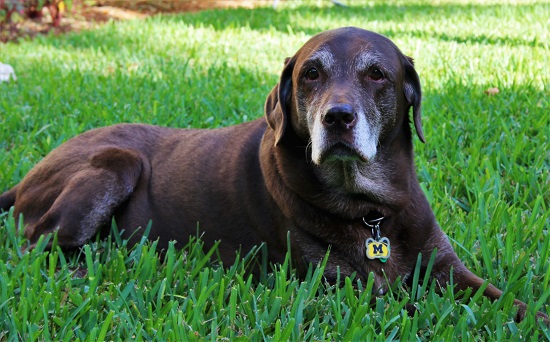
Caring for a senior dog involves more than medical treatment. Caring for an older dog is about more than just medical needs; it’s also about their daily happiness and comfort. For senior dogs, regular, age-appropriate exercise is essential for maintaining their fitness. This includes gentle leash walks, swimming, or light games of fetch. Your vet can help determine a suitable exercise plan.
- Mental Stimulation: Keep their minds sharp and engaged with toys, puzzle toys, and new stuffed animals. Easy, successful training exercises and treat searches can enhance their confidence.
- Social Interactions: Older dogs may become less welcoming of unfamiliar dogs. Their decreased physical strength makes them more vulnerable in conflicts, and hindquarter weakness can make it hard to disengage. Owners should stay close, monitor interactions, and calmly intervene if needed, avoiding scolding for age-related behavior changes. Calm, familiar dog friends may still be beneficial for social walks.
- Warmth and Comfort: Older dogs may get cold more easily because they move less. A cozy fleece indoors or a raincoat for walks can help keep them warm.
The Most Difficult Decision in End-of-Life Care
As a dog parent, one of the hardest questions is knowing when it’s time to say goodbye. Hospice care for dogs focuses on providing comfort and support during the end stages of life, when curative treatments are no longer pursued. Palliative care, which aims to improve quality of life for serious ailments, can be given earlier, even alongside curative treatments.
During hospice, your vet can guide you on managing pain and anxiety, supporting calorie intake, maintaining hygiene, and continuing cherished activities, guiding you to your dog’s changing abilities.
Assessing your dog’s quality of life is important. Track their good days versus bad days and observe if they’ve lost interest in previously beloved activities, such as toys, walks, or socializing, or if they’re experiencing increased confusion or pain. Be honest with yourself and consult with your veterinarian and trusted friends. If your dog is no longer enjoying life or is suffering, euthanasia is a compassionate and humane option. Your vet can help you create a plan and navigate this incredibly difficult decision.
Making Every Moment Count
Seeing our dogs grow older brings both challenges and a deeper bond. By learning about their health needs and making changes at home and in their care, we can help them stay comfortable and happy. Your vet is a great partner to help your senior dog enjoy their golden years with dignity and joy.















 in Chandigarh, India.