
 DogExpress

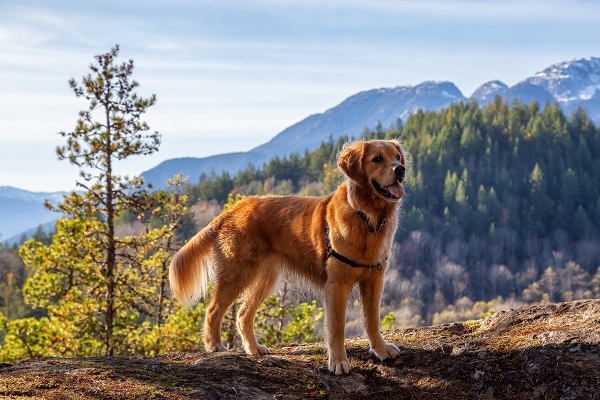
Train your dog for snow in Winter. Trips to the hills are popular for many pet owners, but traveling in cold weather needs more preparation than just bringing extra clothes. Snow, low temperatures, and new terrain can be difficult for dogs if they are not ready. It is important to train and condition your dog before you go on a hill trip, just as you would plan your own travel.
Not All Dogs Handle Cold the Same Way
A dog’s ability to handle cold weather depends on its breed, coat, size, and health. Dogs with double coats and good endurance, like Labradors, German Shepherds, Golden Retrievers, Huskies, and Indian Pariah dogs, are better suited for cold climates. These breeds can keep their body temperature steady and adjust more easily to cold weather.
On the other hand, short-haired, small, or flat-faced breeds may struggle in cold and high-altitude conditions. Dogs like Pugs, French Bulldogs, Shih Tzus, and Boxers are more prone to breathing difficulties, fatigue, and temperature sensitivity. Senior dogs and puppies also require extra protection and shorter outdoor exposure.
Gradual Exposure Is Key
Sudden exposure to snow, slippery paths, and steep slopes can be stressful for dogs accustomed to urban or indoor environments. Trainers recommend introducing dogs to different surfaces gradually before the trip. Walking on sand, gravel, wet floors, or gentle inclines can help build balance and confidence.
It is important to practice basic commands like ‘stay,’ ‘come,’ and walking calmly on a leash before your trip. In hilly areas, a sudden pull or slip can cause injury. Training these skills ahead of time helps your dog stay calm and listen to you in new places.
Preparing Your Dog for Snow and Cold
Dogs need to get used to cold weather both physically and mentally. You can start with short walks in cooler weather to help your dog adjust. If your dog is sensitive to cold, a light sweater can help keep them warm without making it hard to move. Do not put extra layers on dogs with thick coats, as this can make them too hot, especially when they are active.
Paw care is often overlooked. Snow, ice, and rough terrain can irritate paw pads. Keeping paws clean and dry after walks helps prevent cracking, while trimming excess fur between toes improves grip on slippery surfaces.
The Importance of Crate Training During Travel
Trips to the hills often mean long car rides and staying in new places. Crate training gives your dog a safe and familiar space, which can help lower stress during travel and rest. If your dog is used to the crate, it can help them feel comfortable with new temperatures and sounds.
Crates also help maintain routine, allowing dogs to relax after outdoor activities and avoid overexertion in high-altitude areas.
Avoid Common Travel Mistakes
A common mistake is thinking that an excited dog is ready for a long hike. Your dog may seem full of energy but may not have the stamina or training for cold-weather walks. Walking too much, missing signs of tiredness, or forcing your dog to go on long walks can cause stress or injury.
Another mistake is thinking all dogs need heavy winter clothes. Some dogs do well with a light sweater, but others just need time to get used to the cold and enough rest.
Making the Trip Safe and Enjoyable
With good preparation, winter trips to the hills can be a great experience for your dog. Exploring new places, smelling new scents, and gentle walks can help your dog feel more confident and bring you closer together.
If you train your dog before the trip, pay attention to their limits, and plan for their comfort, your holiday will be safer and more enjoyable. A prepared dog is safer in the hills and will have a better time with you.














 in Chandigarh, India.