







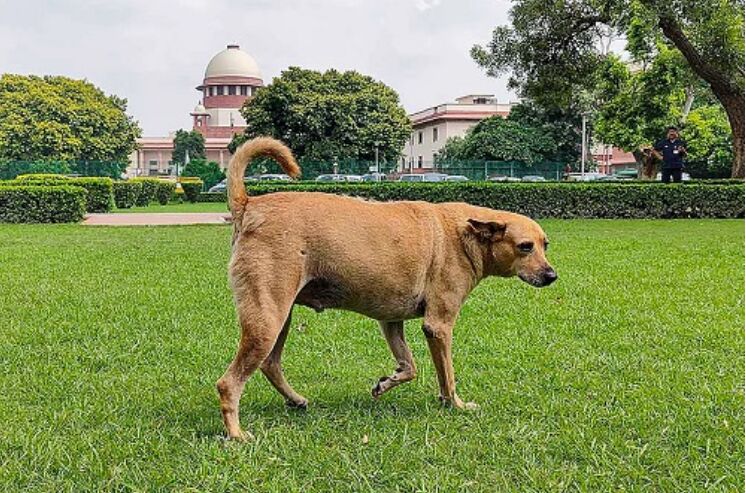
India has struggled with stray dogs for many years. This issue is now getting more attention because it affects public safety, animal welfare, and government responsibility. The Supreme Court has recently made comments that have started new discussions in cities and communities about how laws are made and enforced.
There are more reports of dog bites in cities and towns. Children, older people, and people who travel every day are most affected. Many people feel unsafe in public places like streets, parks, schools, and hospitals. These problems show that current animal welfare laws do not match what people experience every day.
Supreme Court Raises Concerns Over Public Safety
In a recent hearing, the Supreme Court said that the government must protect people. The judges said that everyone should feel safe when going to work, school, or the hospital. The court asked why public places are still unsafe even though there are laws to control stray dogs.
The judges said that city officials are not doing enough. They pointed out that authorities use policy gaps as excuses, but people still suffer. The court also warned that the government may have to pay for injuries or deaths from dog attacks if they do not act. This puts more responsibility on local administrations.
Feeding Without Responsibility Under Scrutiny
The court also talked about people feeding stray dogs in the community. The judges said it is good to care for animals, but public safety is more important. People who feed stray dogs should also help manage their behavior and make sure others are not harmed.
Animal lovers and welfare groups disagree with this view. They say that feeding dogs does not mean someone owns them. However, the court said that people must be responsible as well as compassionate, especially when safety is involved.
The Limits of Current Policies
India mainly uses sterilization and vaccination programs to manage stray dogs. These programs are meant to control the number of dogs and prevent disease, but they are not always carried out well. Problems like poor waste management, not enough money, and weak infrastructure make these programs less effective.
Experts say that sterilization programs are often too small to make a big difference. In many places, dogs are put back in the same areas without solving problems like aggression, lack of food, or conflicts with people. This makes many residents feel frustrated because they have safety concerns but also face legal limits.
Animal Welfare Groups Push Back
Animal rights advocates warn against reactionary policies driven solely by fear. They argue that indiscriminate removal or relocation of dogs can worsen the problem by disrupting established territories. When dogs are removed from an area, new and often unvaccinated animals may move in, increasing risks rather than reducing them.
Welfare groups also say there are not enough animal shelters. Most shelters in India are already full and do not have enough resources. Moving many dogs at once is not practical or humane without a long-term plan for care and adoption.
A Society Divided
The stray dog issue has divided people. Some residents want quick action because they see stray dogs as a safety problem. Others, including animal welfare supporters, think the real causes are human neglect, poor city planning, and weak government, not the dogs themselves.
Legal experts say this is not just about animal control anymore. It is now a problem of how well laws are put into practice. The court’s actions show that there is less patience for weak enforcement.
What Comes Next
As the hearings go on, state governments and city officials must find solutions that work, are humane, and can be enforced. This could mean more money for sterilization, better waste management, clear rules for feeding stray dogs, and stronger systems to make sure people follow the rules.
India must now decide how to balance compassion with safety, and rights with responsibility. The stray dog issue is not just about animals. It is also about how society protects its most vulnerable people and animals.


 August 26, 2026