
 DogExpress

When we think of a dog’s hidden senses, most of us immediately recall the classic five: sight, hearing, smell, taste, and touch. But what if I told you that dogs are like humans, possessing additional, lesser-known sensory systems? These “hidden” senses are often overlooked, yet they play crucial roles in how dogs perceive their world, regulate their bodily functions, and respond to their environment.
In this blog, we’ll get to know about these three hidden senses—interoception, vestibular sense, and proprioception. We will also explore how they work, their influence on dog behavior and health, and what you, as a responsible pet parent, can do to support them.
Why hidden senses matter
Before we get into the details, it’s helpful to understand why it’s worth exploring these hidden senses.
- Beyond the obvious: While sight, sound, smell, taste, and touch are vital, they don’t tell the whole story. These hidden senses regulate internal bodily states, orientation, and movement control, all of which deeply influence a dog’s behavior, wellness, and learning ability.
- Behavioral clues: Problems in these senses can manifest as behavioral or training challenges, such as accidents indoors, clumsiness, coordination issues, or unusual sensitivities.
- Better empathy and care: Understanding these systems helps you interpret your dog’s cues, detect early signs of dysfunction, and support them with targeted exercises or veterinary guidance.
- Training & enrichment potential: When we understand how these senses function, we can incorporate enriched experiences (e.g., balance challenges, proprioceptive work) into everyday life, enhancing mental and physical engagement.
With that in mind, let’s meet the trio of hidden senses.
- Interoception — happening inside
What is interoception?
Interoception refers to the body’s internal monitoring system. It is how an animal (or person) senses and perceives internal physiological signals, such as hunger, thirst, fullness, heart rate, breathing, internal pain, digestion, bladder cues, temperature, and more.
In simpler terms, it’s the sense that tells you “How do I feel — right now?” internally.
How interoception works in dogs
Inside organs (like the stomach, intestines, and bladder), there are receptors that detect changes in stretch, chemical composition, temperature, and other factors. These receptors send signals via neural pathways (autonomic and somatic) to brain centers that interpret them. The result is an internal “awareness” of states such as:
- Needing to pee or poop
- Feeling hunger or satiety
- Being thirsty
- Experiencing nausea or stomach discomfort
- Feeling stress internally (e.g., racing heart, digestive upset)
This internal input plays a role in decision-making: if the bladder signals a strong urge, the dog may seek out a place to relieve itself; if the stomach signals fullness, the dog may stop eating.
Why interoception matters
- House-training & elimination rules: A lot of potty training is about teaching a dog to recognize and interpret that internal urge (from the bladder or bowels) and then map it to going to an appropriate location. If the dog doesn’t have good interoceptive awareness, he might not reliably connect the urge with the act of eliminating.
- Appetite regulation: Dogs with poor interoception may not reliably sense hunger or fullness. This can mean overeating or refusing food in an inappropriate manner.
- Stress & emotional regulation: Internal sensations of stress (rapid heartbeat, upset stomach) are part of how animals sense fear or discomfort. If a dog struggles to interpret these signals, it can affect their ability to self-regulate or signal that they need relief (rest, quiet, escape).
- Pain detection: Recognizing slight internal discomforts (digestive upset, mild pains) depends on interoceptive sensitivity. Dogs with muted interoception might only show signs when things become severe.
What can go wrong — interoceptive dysfunction
“Interoceptive dysfunction” isn’t necessarily a medical diagnosis, but rather a descriptive term for cases when internal sensing is weak, imprecise, or misinterpreted. Possible signs include:
- Inconsistent or unpredictable elimination (peeing/pooping inside unexpectedly)
- Overeating or ignoring satiety
- Overreacting or underreacting to internal discomfort
- Anxiety, stress, aggression, or compulsive behaviors with no obvious external stimulus
If a dog exhibits persistent issues in these areas, it’s worth consulting a veterinarian or veterinary behaviorist to rule out medical causes (e.g., urinary issues, digestive diseases) and explore supportive strategies.
Supporting your dog’s interoception
- Consistent routines: Regular feeding, walking, and bathroom breaks help the dog link internal signals with actions.
- Mindful feeding: Use puzzle feeders or slow-feeding bowls, which allow the dog to take in cues more gradually and notice fullness.
- Awareness training: Teach the dog “body check” cues, pause walks to let your dog sit and focus inwardly, or use calm signal games that encourage internal awareness.
- Avoid over-suppression: Don’t always let the dog go outside immediately at the first hint of an urge; sometimes a short delay (if safe) helps the dog learn to wait and interpret the strength of the signal.
- Health monitoring: Regularly attend vet checkups (urinary, GI, and endocrine health) because internal physical problems can directly impact interoceptive signaling.
Vestibular sense — balance, orientation & spatial equilibrium
What is the vestibular sense?
The vestibular system is centered in the inner ear. It comprises structures such as the semicircular canals, utricle, and saccule, which detect motion, acceleration, head rotation, and gravitational forces. Its job is to inform the brain about the head’s position in space, its movement, and how to maintain balance.
In effect, the vestibular sense is your “internal gyro” that enables orientation, balance, coordination, and stable vision during motion.
How the vestibular system works in dogs
- Hair cells in the inner ear detect head movements and acceleration.
- The movement of fluid (endolymph) within the semicircular canals generates signals indicating rotational motion.
- The otolith organs (utricle, saccule) respond to linear acceleration and gravity (tilts, up/down).
- These signals are integrated with visual input and proprioceptive input to maintain posture, coordinate movement, and stabilize gaze (so vision stays fairly steady as the dog moves).
Signs of normal functioning
A dog with a healthy vestibular system walks steadily, keeps their head level, doesn’t tip or lean, responds quickly to posture shifts, and recovers from sudden turns or jumps without losing balance.
When vestibular dysfunction arises
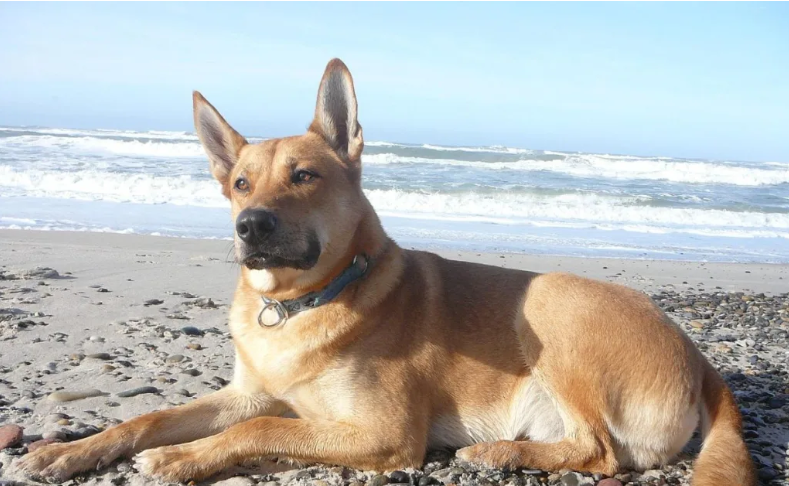
Vestibular dysfunction (sometimes called “vestibular disease” in dogs) can occur due to:
- Inner ear infections or inflammation
- Vestibular neuritis (inflammation of the vestibular nerve)
- Tumors affecting the brainstem or inner ear
- Trauma
- Stroke or brain injury
- Age‐related degeneration
Symptoms may include:
- Head tilt
- Circling or leaning to one side
- Loss of balance, staggering, falling
- Nystagmus (rapid involuntary eye movements)
- Ataxia (coordination loss)
- Vomiting, nausea — because motion signals conflict
If your dog shows any of these symptoms suddenly, it’s a veterinary emergency. Treatment often involves addressing the underlying cause, providing supportive care, and stabilizing fluid/nutrition.
Supporting your dog’s vestibular health
- Safe environment: Minimize slippery floors by providing non-slip surfaces. Use ramps or steps instead of jumps, especially for older dogs.
- Gentle movement games: Encourage safe head and body movements (slow, controlled), e.g., walking over slightly uneven surfaces or balance pads under supervision.
- Prevent ear infections: Clean your ears properly, monitor for signs of infection, and treat them promptly.
- Veterinary follow-up: If your dog has experienced vestibular episodes, follow your veterinarian’s guidance for rehabilitation and monitoring.
- Proprioception — body awareness, force & movement control
What is proprioception?
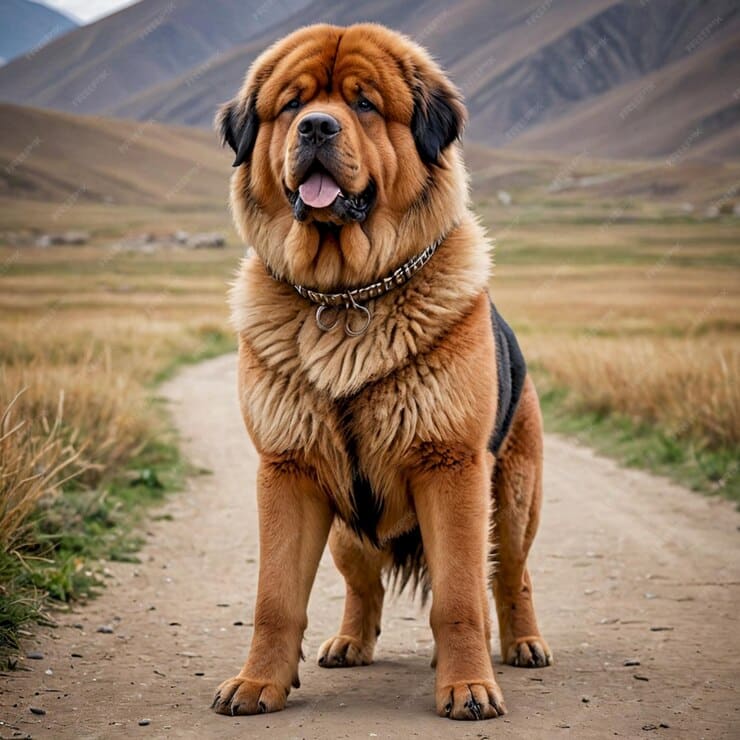
Proprioception is often referred to as the “sixth sense.” It refers to the body’s awareness of limb and joint position, muscle tension, movement, and the force being applied. It’s how your brain knows where your limbs are without looking, how much force to apply, and how to coordinate smooth movement.
In dogs, proprioception enables them to walk without watching their feet, judge jumps accurately, adjust their stride, and land precisely.
How proprioception works
Sensors called proprioceptors are located in muscles, tendons, ligaments, and joint capsules (e.g., muscle spindles, Golgi tendon organs). These receptors continuously send feedback to the central nervous system about:
- Joint angles
- Muscle stretch / contraction
- Tension and load
- Rate of movement
The brain integrates this with vestibular and visual information to produce balanced, coordinated motion.
Indicators of healthy proprioception
- Confident, balanced gait
- Ability to navigate uneven ground or obstacles
- Smooth transitions (sitting to standing, turning corners)
- Coordinated, precise movement (e.g., playing fetch, agility)
Proprioceptive dysfunction
When a dog has impaired proprioception, you might see:
- Stumbling, knocking into objects
- Over- or under-reaching paws
- Delays in repositioning (e.g., when standing up)
- Weak or wobbly gait
- Difficulty judging force (dropping or misplacing toys)
- Dragging toes, splaying limbs
Such signs often indicate neurological, orthopedic, or musculoskeletal problems, including spinal cord injury, neuropathy, joint disease, nerve compression, or brain issues.
Exercises & strategies to support proprioception
- Balance & stability work: Use balance discs, wobble boards, and low-height platforms to give a gentle challenge
- Obstacle navigation: Guide the dog over low rails, poles, weave cones, and steps
- Surface variety: Walk the dog on grass, soft surfaces, uneven terrain
- Proprioceptive targeting: Encourage placing paws on specific targets, narrow planks, “place” games
- Weighted gear (carefully): A properly fitted weighted vest might provide additional input (under vet/trainer guidance)
- Physical rehabilitation: For dogs with injury or dysfunction, guided physiotherapy or hydrotherapy can rebuild proprioceptive feedback
How the three senses interact
The hidden senses, including interoception, vestibular, and proprioception, don’t work in isolation. They interrelate and support one another, which underlies wellness, behavior, and movement.
- Balance & posture: Vestibular and proprioceptive input combine to maintain posture, orientation, and correct motor actions during movement.
- Movement planning & execution: Proprioception tells muscles and joints how they move; vestibular tells you orientation; interoception informs internal state (e.g., fatigue, discomfort) that may influence how much effort to apply.
- Behavior regulation: If a dog is internally stressed (through interoception), they may move less or differently, altering how their proprioceptive and vestibular systems respond.
In practice, a dog with one system out of balance may exhibit challenges in other areas. For example, a dog with vestibular issues might overcompensate proprioceptively (stiff legs, cautious steps). A dog with poor interoception may not rest when tired, which can push their locomotor systems to the limit and cause clumsiness.
Signs of trouble: what to watch for
Because these senses are internal or nuanced, dysfunctions are often subtle. Keep an eye out for:
- Unexplained accidents in previously trained dogs
- Sudden head tilt, circling, staggering
- Frequent stumbling, dragging toes
- Delayed responses to movement
- Difficulty navigating stairs
- Refusal to jump or climb
- Overeating, ignoring fullness, and inconsistent hunger
- Anxiety, stress behaviors without clear external triggers
- Sensitivity to motion, change in gait
- Odd posture, leaning, or asymmetric stance
If you notice persistent signs, consult your veterinarian. Neurological examinations, imaging, or referral to a canine rehabilitation specialist may be warranted.
How Dog Express can help you support your dog’s hidden senses
 At Dog Express, we believe in a holistic approach to canine well-being. Here’s how we can assist you and your dog in nurturing these hidden senses:
- Educational content & classes
- We can offer workshops or blog series dedicated to these senses, explaining them in dog-friendly terms, providing hands-on exercises, and helping pet parents integrate them into their daily lives.
- Sensory enrichment products
- From balance discs and wobble boards to puzzle feeders and weighted vests (with professional guidance), we can curate gear that supports the development of interoception, vestibular, and proprioception.
- Personalized training & rehab
- Our trainers and rehabilitation specialists can assess each dog’s strengths and weaknesses, and design custom programs that are especially beneficial for puppies, seniors, or dogs recovering from injury.
- Community & sharing
- We can encourage dog owners to share observations of balance, coordination, or internal awareness in our community (forums, social media), so you notice trends and learn from one another.
- Monitoring & referral support
- If a dog shows signs of dysfunction (e.g., head tilt, recurrent stumbling), we can guide you on when to consult a veterinarian and help coordinate assessments or therapy.
Sample plan: 4-week hidden senses enrichment for your dog
Here’s a simple plan you can try at home (tailor to your dog’s age, health, and abilities). Always consult your veterinarian if your dog is experiencing health issues.
Week 1: Baseline & gentle awareness
- Observation: Over several days, note any stumbling, head tilting, coordination issues, or unusual postures.
- Pause check-ins: On walks, stop every few minutes to pause and take a moment to check in. Ask your dog to sit, take deep breaths, and observe internal sensations (quiet time).
- Gentle surfaces: Walk on grassy, soft surfaces. Let the dog feel different textures.
- Slow walk games: Slow your walking pace to encourage the dog to move more mindfully.
Week 2: Introduce proprioceptive challenge
- Balance pad work: Have the dog stand with its paws on a gently unstable surface (e.g., a soft mat, wobble board).
- “Target” paw work: Ask the dog to place individual paws on small raised targets (e.g., a low block).
- Low hurdles/weave poles: Use gentle obstacles to encourage spatial movement.
- Stairs (if safe): Encourage safe ascending/descending with controlled pace.
Week 3: Vestibular & dynamic movement
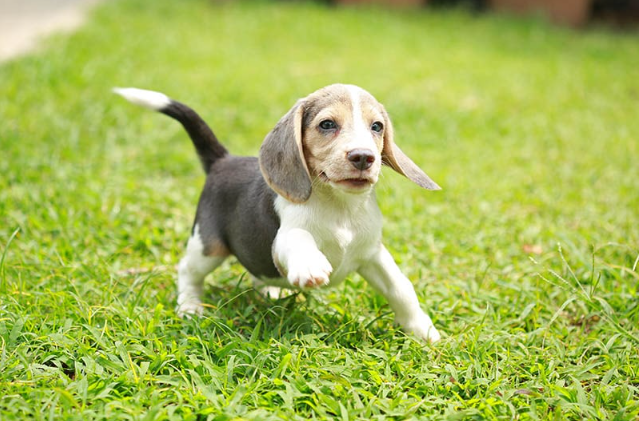
- Controlled turns and head movements: Encourage turns, head tilts, and gentle circular paths.
- Inclines & ramps: Walk up/down gentle slopes to engage balance.
- Weight-shifting games: Play games that encourage weight transfer (e.g., shifting from a sitting to a standing position, turning).
- Continue working on Week 1 & 2 with slight increases in challenge (duration, surface variation).
Week 4: Integration, fun, and review
- Mixed obstacle course: Combine funny movement tasks, such as stepping over poles, weaving, and balancing.
- Mindful feeding: Slow down your dog’s eating by offering multiple small meals, encouraging chewing, and promoting internal awareness.
- Record & compare: Note improvements (less stumbling, smoother transitions, confidence).
- Ongoing plan: Continue balanced challenges as a permanent part of exercise.
Conclusion
Dogs are much more than “noses and paws.” Beneath the surface, they are navigating a complex world of internal cues, balance systems, and body awareness. By understanding and supporting their hidden senses, interoception, vestibular sense, and proprioception, we open new doors to empathy, better training, and a healthier, more fulfilling life for our canine companions.
So the next time your dog pauses mid-walk, hesitates to leap, or seems unsure on an uneven surface, you might just be witnessing the quiet voice of one of these hidden senses. When we listen and support those voices, we help our dogs live more comfortably, move more confidently, and form a deeper bond with us.













 in Chandigarh, India.