


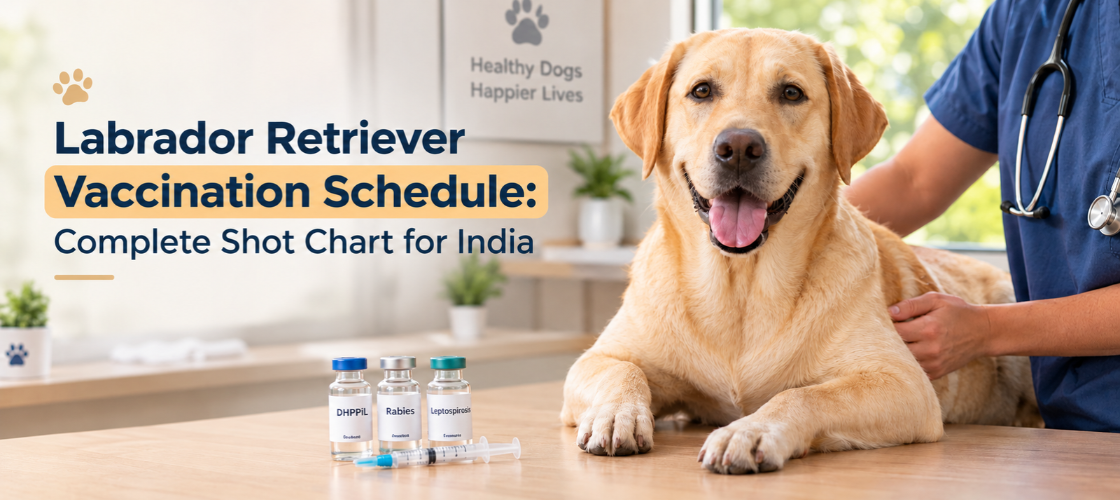
If there is one thing Indian Labrador owners tend to get right in the first year and then gradually stop doing, it’s vaccinations. The puppy series gets done because the vet schedules it and the stakes feel obvious. The adult boosters get delayed, forgotten, or assumed to be optional once the dog looks healthy. For a breed as sociable, outdoor-active, and contact-heavy as the Labrador, those gaps in coverage carry real consequences.
This guide lays out the Labrador Retriever vaccination schedule clearly, explains what each vaccine protects against in the Indian context, and covers the post-vaccination care that most owners don’t think about until something goes wrong.
Why Vaccination Matters More for Labradors in India
Labradors are one of the breeds most likely to be in contact with other dogs. They go to parks, dog playdates, boarding facilities, training classes, and pet stores. They interact with street dogs during walks. They’re water-oriented dogs that wade through communal water sources. Each of these is a potential disease exposure vector.
Parvovirus remains genuinely common in Indian urban environments, particularly in areas with significant stray dog populations. Leptospirosis risk is elevated across India’s monsoon geography. According to the World Organisation for Animal Health, India accounts for a disproportionate share of global rabies burden, making rabies vaccination for Indian dogs not just responsible but genuinely protective.
Core Vaccines: What Every Labrador Needs
DHPPiL (Distemper, Hepatitis, Parvovirus, Parainfluenza, Leptospirosis): This combination vaccine is the backbone of canine vaccination in India. Parvovirus is the most immediately dangerous for Labrador puppies — it spreads through contact with infected feces, survives in the environment for months, and kills fast in young dogs that haven’t completed their series.
Rabies: Legally required in most Indian states for pet dogs. Should be given at 12 to 16 weeks and boostered annually or every three years depending on the vaccine type used.
Leptospirosis: Technically non-core in international guidelines but functionally core for Indian dogs given the country’s monsoon flooding and rat-contaminated water exposure. Labs that walk through puddles or play in communal water sources are at real risk.
The Puppy Vaccination Timeline
| Age | Vaccine | Notes |
| 6 weeks | DHPPiL (first dose) | For rescue or uncertain-history puppies |
| 8 weeks | DHPPiL (second dose) | Standard starting point for purchased puppies |
| 10 to 12 weeks | DHPPiL (third dose) + Leptospirosis first dose | Combine where possible |
| 12 to 16 weeks | Rabies (first dose) | Timing varies by state |
| 16 weeks | DHPPiL booster | Completes the puppy series |
| 6 months | Deworming and health review | Not a vaccine but a standard milestone |
Keep the puppy away from unknown dogs, public parks, and high-traffic areas until 2 weeks after the final puppy series dose. Labs are socially curious and will approach any dog they see, which makes this protective period more actively managed than with a more reserved breed.
Adult Booster Schedule
| Vaccine | Frequency |
| DHPPiL | Annually |
| Leptospirosis | Annually |
| Rabies | Annually or every 3 years depending on vaccine type |
| Kennel Cough (Bordetella) | Before boarding or if dog attends group classes |
Annual boosters for all core vaccines are the standard in India. Some international protocols allow 3-year intervals for certain core vaccines after the initial series — ask your vet whether this applies to the specific products they use.
Non-Core Vaccines Worth Discussing
Kennel cough (Bordetella): Labradors that board, attend training classes, or frequent dog parks benefit from this. It doesn’t prevent kennel cough entirely but reduces severity.
Canine influenza: Not universally recommended in India but worth discussing if your Lab is regularly around large groups of dogs.
After Every Vaccination: What to Watch For
Mild soreness at the injection site, slight lethargy, and reduced appetite for 24 to 48 hours are normal. Genuine reactions are rare but require immediate action: facial swelling, hives, vomiting within 30 minutes of the injection, or sudden collapse. Stay near the clinic for 20 minutes after each injection during the puppy series specifically.
Recommended: Absolut Pet Dog Skin & Coat Chews
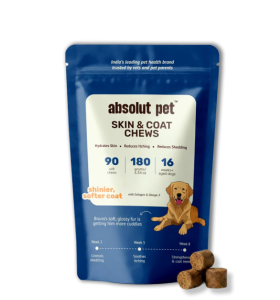
Large breeds like Labradors are prone to hip dysplasia from early in life, and starting joint support at the adult maintenance phase is well-supported by veterinary practice. Incorporating this into the same routine as the annual vaccine visit makes it easy to remember and keeps the dog’s overall health protocol in one scheduled habit.
Recommended: Dog Water Bottle
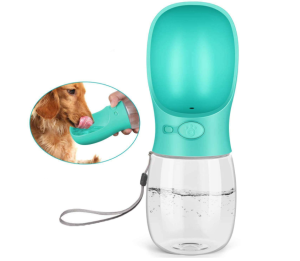
Post-vaccination hydration matters, particularly in summer. A Lab that’s been at the clinic and may have mild vaccine fatigue needs fresh water readily available on the way home and throughout the rest of the day. A portable water bottle is practical for any Lab owner who does regular vet visits, walks, or park outings.
Keeping Records That Actually Work
A physical vaccination card is not enough by itself. Photograph it and save it. If you change vets, boarding facilities will require proof of vaccination, and a lost card creates headaches. Many Indian dog owners now keep a folder on their phone with vaccine records, vet contact details, and deworming logs.
Conclusion
A complete and consistent Labrador Retriever vaccination schedule is one of the most straightforward things you can do to protect a dog that spends real time around other dogs and in public spaces. The puppy series requires careful timing. The adult maintenance mostly requires not forgetting. Put a calendar reminder for the annual booster, keep the records updated, and don’t assume a healthy-looking dog is a protected one.
FAQs
My Labrador breeder gave the first vaccine. Do I need to restart the series?
Not necessarily. Get the documentation from the breeder and share it with your vet. If the vaccine was given at the correct age and with an appropriate product, the vet can continue the series. If the documentation is absent or unclear, a restart is safer than assuming coverage.
Can my Lab puppy go to the park before completing all vaccines?
The advice has evolved. Complete isolation until all vaccines are done is no longer considered best practice because early socialisation matters significantly for temperament. The middle ground: avoid high-traffic dog areas, stray dog contact, and standing water, but allow controlled, vaccinated-dog-only socialisation in private settings from about 10 to 12 weeks.
My adult Lab hasn’t had boosters for 2 years. What should I do?
Book a vet visit and be honest about the gap. For most core vaccines, the vet will likely re-vaccinate without needing to restart the entire series. Some vets offer titer testing to check existing antibody levels before deciding whether to booster. Two years without boosters in India is worth addressing promptly given the disease exposure environment.
Does my Lab need a kennel cough vaccine if it doesn’t go to boarding?
If the dog doesn’t board or attend group training or dog parks, it’s less critical. If any of those apply even occasionally, it’s worth having. Kennel cough spreads through brief contact with infected dogs and is uncomfortable even when not serious.

 October 28, 2026