




If you own a Boxer or are considering one, the breed’s health history is something you need to know about before problems arise, not after. Boxers are joyful, physical, funny dogs that are genuinely wonderful companions. They also have a documented predisposition to two serious health conditions — cardiac arrhythmia and cancer — that are more common in this breed than in almost any other. Understanding these risks doesn’t make owning a Boxer a grim proposition. It makes you a more prepared owner who can catch problems early.
This guide covers the Boxer health issues most relevant to Indian owners, with practical prevention and early detection guidance.
Boxer Cardiomyopathy: The Breed’s Most Critical Health Concern
Boxer cardiomyopathy (BCM) is a condition involving abnormal heart rhythms (arrhythmias) that is specifically associated with the breed. It is distinct from dilated cardiomyopathy seen in other large breeds and has its own genetic basis.
According to research published in the Journal of Veterinary Internal Medicine, BCM affects a significant proportion of Boxers, with some studies suggesting up to 30% of the breed population carries the gene variant associated with the condition. The condition is insidious because affected dogs often appear completely normal during physical examination — the arrhythmia is intermittent and may not be captured during a routine stethoscope check.
The diagnostic tool for BCM is a 24-hour Holter monitor recording. A baseline Holter recording around age 3 to 4 and annual cardiac screening from age 5 onwards is a reasonable protocol to discuss with a vet. Signs that warrant immediate attention: fainting or collapsing, sudden unexplained weakness, visible laboured breathing at rest.
Cancer in Boxers
Boxers have one of the highest cancer rates of any dog breed. Mast cell tumours are the most common type, but lymphoma, brain tumours, and osteosarcoma also occur at higher rates than in the general dog population.
The practical response for owners is monthly skin checks. Run your hands over the dog’s entire body once a month looking for lumps, bumps, or skin changes. Any new lump on a Boxer should be assessed by a vet — not watched at home, not assumed to be benign. Mast cell tumours in Boxers can behave unpredictably, and early surgical removal when the tumour is small is significantly more effective than treatment after it has spread.
Brachycephalic Airway Concerns
Boxers are a brachycephalic breed — their shortened skull structure compresses the airways. The practical impacts: Boxers overheat faster than long-nosed breeds, have reduced exercise tolerance in heat and humidity, and are at higher anaesthetic risk. During Indian summers, Boxers should be exercised during the coolest hours of the day and not pushed through exercise when they show signs of respiratory distress.
Recommended: Qpets 7 Pcs Tick Remover for Dogs Cats

Boxers are short-coated dogs with significant outdoor activity levels, which makes them more directly exposed to ticks than double-coated breeds. A post-walk tick check around the ears, groin, armpits, and between the toes is standard practice. Having a proper removal tool on hand means ticks are removed completely — head included — which is the difference between a minor find and a secondary infection.
Hip Dysplasia and Joint Health
Hip dysplasia occurs in Boxers at a rate higher than many owners expect. The condition involves abnormal development of the hip joint that leads to arthritis and pain over time. Keeping a Boxer at a healthy weight is the most impactful management tool — excess weight increases joint loading and accelerates deterioration.
Recommended: Purepet Adult Dry Dog Food
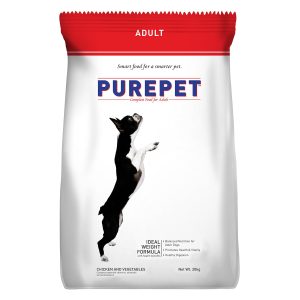
For Boxer owners managing weight alongside joint health, a controlled-calorie kibble that provides adequate protein without excess fat is a practical foundation. Purepet Adult provides protein-forward nutrition at a price point that makes consistent use realistic for a large breed with significant daily food requirements.
Bloat: The Boxer Emergency
Gastric dilatation-volvulus (bloat) affects Boxers at a rate consistent with other large, deep-chested breeds. It is fatal within hours if untreated. Prevention: two meals per day rather than one, no vigorous exercise for at least one hour after eating. Signs of bloat include a distended abdomen, unproductive retching, restlessness, and rapid deterioration. If you suspect bloat, it is a veterinary emergency.
Conclusion
Managing Boxer health issues effectively is largely about knowing what to look for and maintaining the right screening schedule. Monthly skin checks, annual cardiac assessment from middle age, weight management, and heat awareness during Indian summers are the practical habits that protect a Boxer’s quality of life. The cardiac and cancer risks are real, but Boxers with attentive owners who catch problems early consistently live full, active lives.
FAQs
How often should my Boxer have a cardiac check?
A baseline check at around 3 to 4 years, then annually from age 5. If your dog came from a breeder who can show you Holter monitor results for both parents, the individual risk is lower but screening is still worthwhile given the breed’s prevalence of the condition.
My Boxer has a small lump on its skin. Should I be worried?
Any new lump on a Boxer should be assessed by a vet within a week or two, not watched at home. Most lumps turn out to be benign lipomas or sebaceous cysts, but mast cell tumours can look deceptively similar. A fine-needle aspirate is a quick, inexpensive test that provides a definitive answer.
Is there a way to reduce my Boxer’s cancer risk?
There is no certain prevention, but some factors are associated with reduced risk: maintaining a healthy weight, feeding a nutritionally complete diet, and early detection through monthly skin checks and annual vet examinations.
My Boxer seems to breathe heavily after normal walks. Is this normal?
Mild heavy panting during and after exercise is within the normal range for a brachycephalic breed. Heavy panting at rest, laboured breathing with visible chest effort, or an unusual quality to the breathing warrants a vet check. Always walk in the cooler hours during Indian summer.

 November 25, 2025