




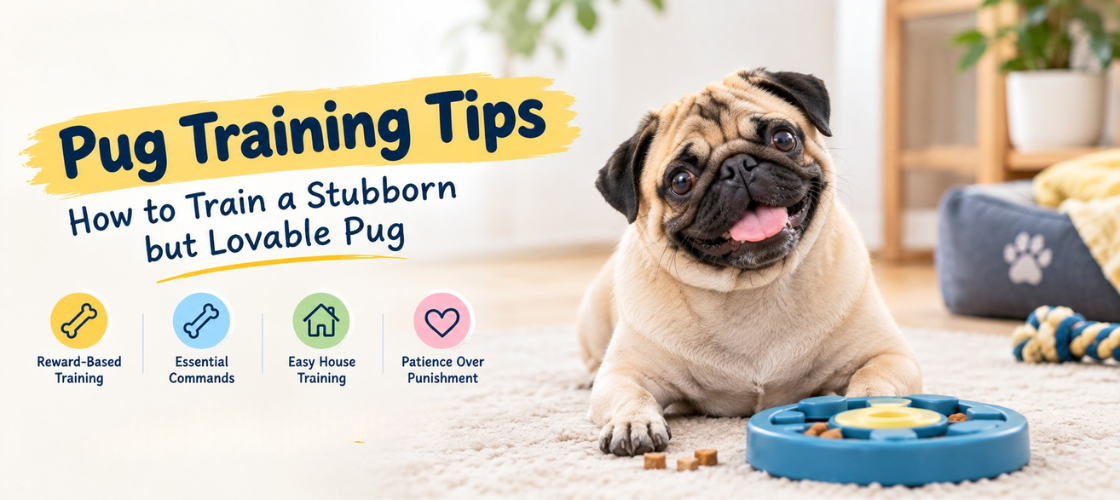
Pug owners receive contradictory advice about their breed. Some sources call Pugs intelligent. Others call them stubborn and impossible to train. Both are right, which sounds unhelpful but is actually the most useful thing to understand before you start. Pugs are smart enough to know exactly what you want. They are independently minded enough to decide whether doing what you want is worth their while.
These Pug training tips are built around making compliance consistently more rewarding than non-compliance, because force or correction with this breed produces a dog that shuts down, not one that cooperates.
Why Pugs Train Differently From Most Dogs
The Pug was bred for one purpose: human companionship. Unlike working breeds that are genetically wired to take direction, Pugs spent centuries being rewarded for being charming, affectionate, and entertaining on their own terms. The independence that makes them entertaining is the same quality that makes commands feel optional to them.
The other factor is breathing. Pugs are brachycephalic — their flat faces reduce airway capacity significantly. According to the British Veterinary Association , brachycephalic breeds require modified exercise and training protocols that account for their reduced respiratory capacity. In India’s climate, Pug training almost always needs to happen indoors with ventilation, or outdoors during the cooler hours, with sessions kept to 5 minutes maximum.
What Works: The Food-Forward Approach
Use high-value treats that the dog does not get any other way. A Pug that gets chicken pieces freely throughout the day will not work for chicken pieces in training. Keep pieces tiny — the size of a small pea — enough to register as a reward, small enough that you can deliver 30 of them in a single 5-minute session without filling the dog up. Mark the correct behaviour immediately.
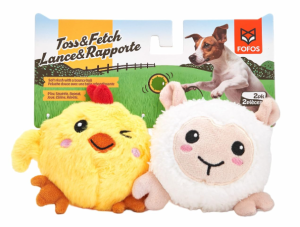
Recommended: BarkButler x FOFOS Spike Ball Animal Dog Toy
Between training sessions, mental engagement through a puzzle feeder channels the Pug’s intelligence productively and reduces the boredom-driven behaviour that interferes with training. A Pug that has spent 10 minutes working for its kibble is a more settled dog than one that inhaled the same kibble from a bowl in 20 seconds.
The Commands That Matter Most for Pugs
Sit: The foundation and the easiest starting point. Most Pugs learn this within 3 to 5 sessions. The challenge is not teaching sit — it’s maintaining it reliably when the dog decides something more interesting is happening.
Stay: Harder for Pugs than sit because they are people-oriented dogs that find distance from the owner genuinely uncomfortable. Build duration slowly — 5 seconds before 15, 15 before 30.
Come: Matters for safety. A Pug off-leash that ignores recall is at genuine risk because their breathing limits their ability to run from danger. Train it indoors first with the highest-value rewards available.
Leave it: Essential because Pugs eat things they find on the floor, in the park, and occasionally on the street. Food motivation makes this one of the more trainable commands for the breed.
Also, read Complete Guide On Teacup Pug Care to learn more about their care needs, behaviour, and health.
House Training a Pug in India
Pugs are slower to house train than many breeds, partly because they are not as distress-averse about going indoors as dogs with stronger den instincts. The schedule: outside after waking, after eating, and after play.
Recommended: Pet Pee Pads for Potty Training
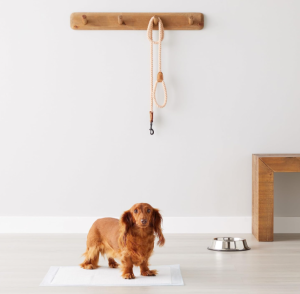
In an apartment with no immediate outdoor access, a training pad in a fixed location provides a designated indoor option while the outdoor habit builds. The cotton top absorbs better than paper alternatives and handles the repeated use a Pug puppy generates in the first 8 to 12 weeks. Place in one consistent corner and move it gradually toward the door as outdoor reliability improves.
Managing Pug Stubbornness Without Conflict
A Pug that decides it doesn’t want to do something and is pushed into it will often plant its feet, look at you with maximum Pug expression, and wait you out. Escalating pressure makes this worse. The more effective response is to make non-compliance boring — end the session without reward, give it 60 seconds, and try again with a slightly easier version of the request.
Conclusion
A Pug is not a Border Collie and should not be trained like one. The Pug training tips that actually work are built around the breed’s intelligence, food motivation, and short attention span — sessions short enough to keep engagement high, rewards good enough to make compliance the obvious choice. A Pug trained on those terms is a reliably well-behaved dog for most of what daily life requires.
FAQs
My Pug knows sit perfectly at home but ignores it completely outside. Why?
Commands trained in one context don’t automatically transfer to others. The outdoor environment has smells, sounds, and movement that compete with your command. Reintroduce sit outdoors with higher-value treats than you’d use indoors and build reliability in that specific environment over 2 to 3 weeks.
How long should a single training session be for a Pug?
Five minutes is the practical limit for most Pugs, particularly in warm conditions. End every session on a successful repetition rather than after a set time. Multiple 5-minute sessions throughout the day produce better results than one longer session.
My Pug refuses to walk on a leash and just sits down. Is this a training problem?
It’s a combination of training, motivation, and sometimes discomfort. Check whether the harness or collar is fitting correctly. Then treat every few steps to make walking forward rewarding. If the sit-down happens when the Pug is hot or has been walking for a while, it may also be a respiratory signal that the dog needs to stop.
Can Pugs be trained without food? My dog seems uninterested in treats.
An uninterested Pug is often a full Pug. Try training 30 minutes before a meal when hunger is highest, and experiment with different high-value options — some Pugs prefer soft treats over dry ones, or fresh chicken over commercial treats.

 October 13, 2026