





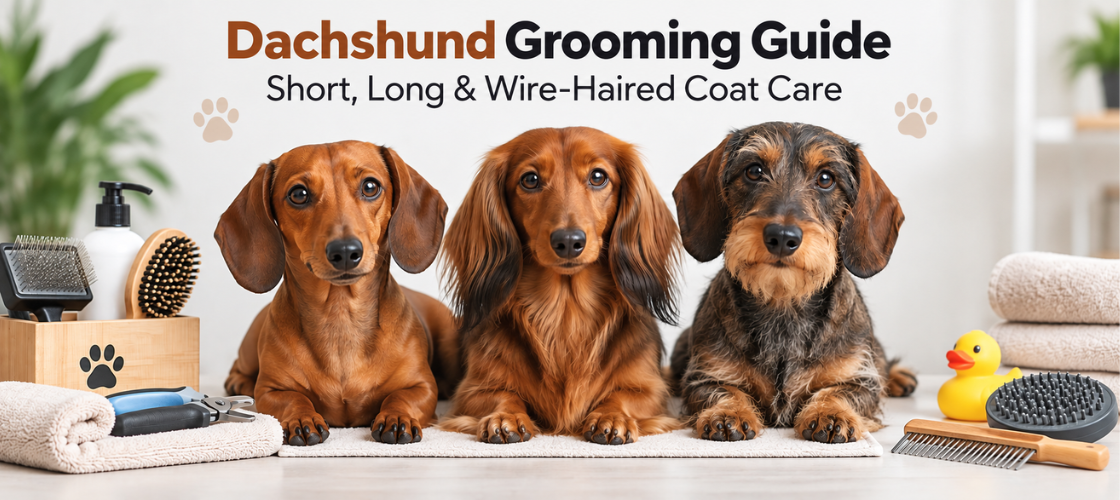
Dachshund grooming varies more within the breed than in almost any other dog — the smooth-coated Dachshund needs almost nothing in terms of coat maintenance, while the long-haired variety needs brushing every day and professional grooming periodically, and the wire-haired coat has its own specific requirement called stripping that most dog owners have never heard of. Knowing which coat type your dog has determines the entire grooming approach, so that’s where this guide starts.
The Three Coat Types and What Each Requires
Smooth-coated (short-haired): The most common Dachshund in India. The coat is close, shiny, and requires minimal maintenance. A rubber grooming mitt or a bristle brush once a week removes loose hair. These dogs need baths every 4 to 6 weeks. The main grooming concern is skin, not coat — the short coat provides less protection against sun and environmental irritants, making the breed more prone to skin dryness in Indian summer heat.
Long-haired: The long, silky coat requires brushing every 1 to 2 days to prevent tangles. The areas that mat fastest are behind the ears, the feathering on the legs, and the longer fur around the chest. Use a slicker brush for the body and a comb for the feathering and ear fur where tangles form most easily. Baths every 3 to 4 weeks.
Wire-haired: The least common in India. Requires a technique called hand-stripping (pulling the dead outer coat by hand or with a stripping knife) rather than cutting. Clipping rather than stripping makes the coat soft and changes the texture permanently. In India, professional groomers familiar with wire-haired Dachshund stripping are not common outside major metros. Most Indian owners of wire-haired Dachshunds settle for a trim, which is a practical compromise for a pet rather than a show dog.
The One Grooming Priority Specific to Dachshunds
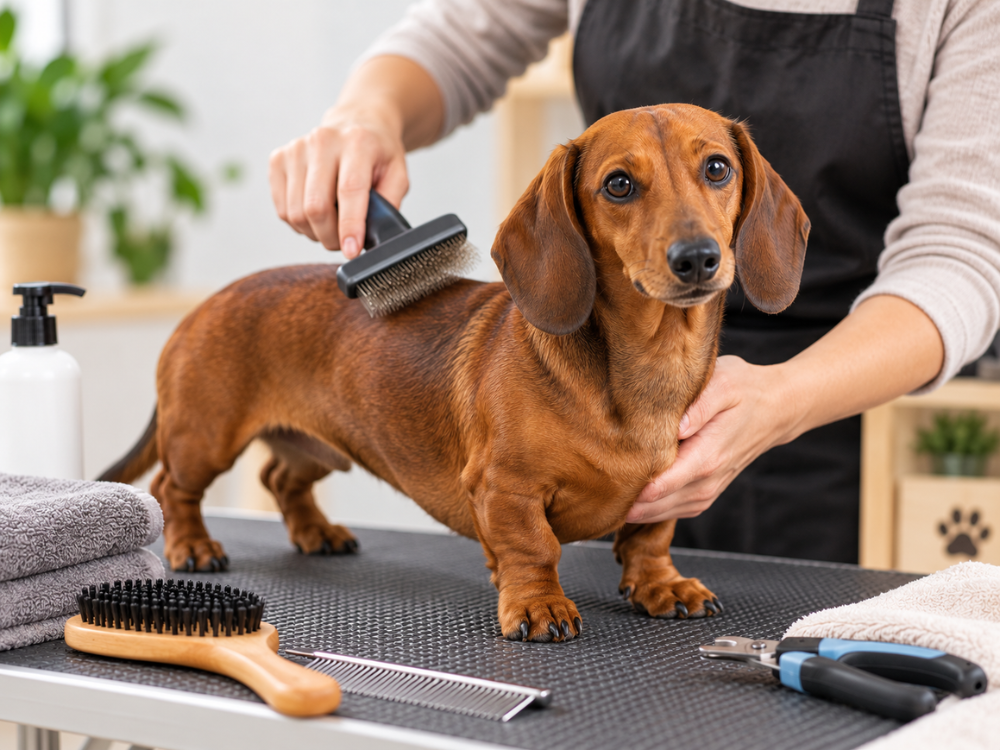
Regardless of coat type, the Dachshund spine makes one grooming approach important that does not apply to other breeds: minimal jumping and lifting stress during the grooming process.
Place the dog on a low, stable surface for grooming rather than a high table with no edge protection. Dachshunds that jump off grooming tables or are lifted awkwardly are at real risk for spinal disc stress. Use a non-slip mat on the grooming surface and use two hands to support the chest and hindquarters when lifting.
Ear Care: A Priority for All Dachshunds
Dachshunds have heavy, floppy ears that reduce airflow into the ear canal significantly, making them one of the higher-risk breeds for recurrent ear infections in India’s humidity.
Check the ears weekly. Clean the visible ear canal with a vet-recommended ear cleaner every 2 weeks. Dry thoroughly after every bath and after any rain exposure.
According to the PDSA (https://www.pdsa.org.uk/pet-help-and-advice/looking-after-your-pet/all-dogs/how-to-clean-your-dog-s-ears), regular ear cleaning is particularly important for breeds with floppy or heavy ears, and owners who establish this routine early significantly reduce the incidence of chronic ear infections.
If the dog is shaking their head, scratching at an ear, or if you notice a dark or smelly discharge, that’s an infection requiring veterinary attention. Home cleaning alone will not resolve an established ear infection.
Bathing by Coat Type
Smooth: Every 4 to 6 weeks. Minimal effort. The smooth coat is easy to wet, shampoo, and rinse.
Long-haired: Every 3 to 4 weeks. Use a dog shampoo for silky or long coats. Conditioner designed for dogs helps maintain the feathering texture.
Wire-haired: Every 4 to 6 weeks. The coarser outer coat is somewhat water-resistant; ensure complete wetting before applying shampoo.
For all types: dry the ear canals immediately after bathing. For long-haired Dachshunds, dry the ear feathering carefully, as this fur retains moisture against the ear flap.
Nail Trimming and Paw Care
Dachshunds walk differently from most breeds due to their long body and short legs. Nails that are too long affect their gait more obviously than in taller breeds, and gait changes add stress to the spine. Trim every 3 to 4 weeks.
The Dachshund’s low build is also what makes tick checks especially important after every outdoor session. Being close to the ground, they pick up ticks from grass and soil far more readily than taller breeds, and the short legs mean ticks often attach in the groin, under the armpits, and between the toes before the owner notices anything.
Recommended: 2Pcs Ticks and Fleas Remover for Dogs
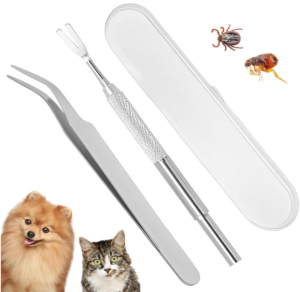
A proper tick remover tool extracts the tick including the head cleanly, which prevents the infection risk of leaving mouthparts embedded in the skin. For a breed that spends this much time close to ground-level vegetation in India’s parks and gardens, having one at home is a basic precaution. Run a quick check after every walk on the groin, armpits, between toes, and around the ears.
Check paw pads after walks in summer for signs of abrasion or heat irritation. Indian summer asphalt gets hot enough to cause pad burns, and a Dachshund that seems reluctant to walk or is licking their paws excessively after a walk may have pad irritation.
Teeth and Skin Care
Dachshunds are prone to dental disease, more so than many breeds of similar size. Tooth brushing 3 times a week with a dog-specific toothpaste is the most effective prevention. Smooth Dachshunds benefit from a light dog-safe moisturiser on their coat in dry winter months when the lack of longer fur leaves skin more exposed.
Conclusion
Good dachshund grooming adapts to the coat type and takes the breed’s structural vulnerability seriously. The coat maintenance routine is almost entirely determined by whether you have a smooth, long-haired, or wire-haired dog, while the ear care, nail trimming, spine-safe handling, and tick checks after outdoor sessions apply to all three. Get the ear routine and the post-walk tick check established early — these are the dachshund grooming habits that have the most direct impact on long-term health.
FAQs
My long-haired Dachshund gets mats really fast. What’s the most effective tool?
A fine-toothed metal comb used on the ear feathering and leg areas every day is more effective than a brush alone for preventing Dachshund mats. Brush the body with a slicker brush and follow immediately with the comb on the high-mat zones.
How do I know if my Dachshund has an ear infection versus just dirty ears?
Dirty ears: mild wax buildup that wipes away cleanly, no smell, no discomfort when you touch the ear area. Infection: strong smell, dark or unusual discharge, the dog shows discomfort or yelps when the ear is touched, or is shaking their head persistently.
Is it safe to use a high grooming table for Dachshunds?
It’s a risk. If your Dachshund attempts to jump off a standard grooming table, the landing is dangerous for the spine. Use a low table or work at floor level.
My smooth Dachshund sheds more than I expected. Is this normal?
Yes. Despite the short coat, smooth Dachshunds shed regularly, with the short hairs tending to embed in fabric. A rubber grooming mitt used weekly removes most of the loose coat before it reaches the furniture.

 September 23, 2026