






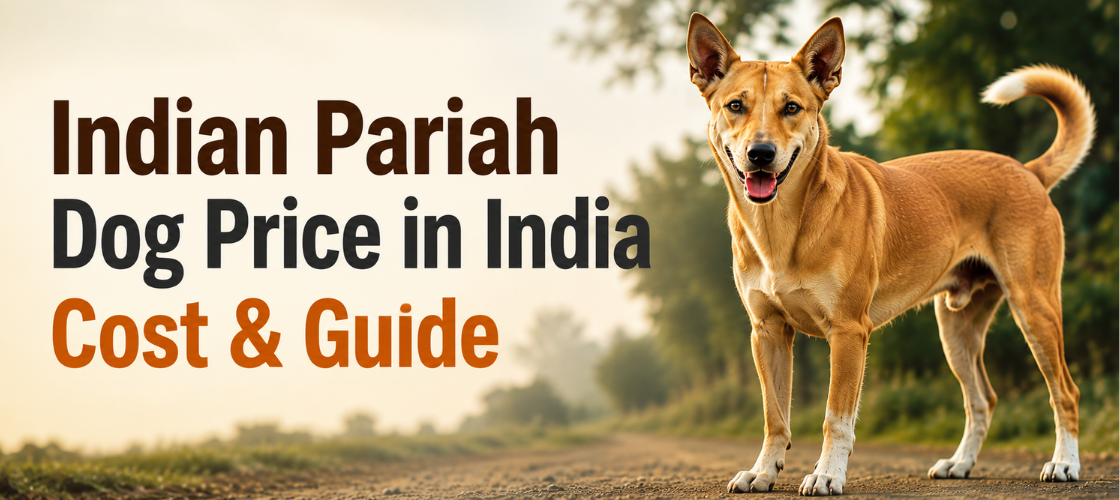
Search for “Indian Pariah dog price” and you’ll find something most breed-price guides don’t have to address: a significant portion of the honest answer is “free” or close to it. The Indian Pariah, also called the Indian Native Dog or INDog, is the original street dog of the subcontinent — and unlike almost every other breed covered in price guides, the Pariah’s availability through adoption is enormous, well-organised, and often costs less than a single vet visit for other breeds.
That doesn’t mean there’s nothing to budget for. It means the budget conversation looks completely different from a Labrador or a Golden Retriever, and this guide breaks down exactly how, covering the real Indian Pariah dog price in India across both adoption and the rarer cases of purchase.
What Is an Indian Pariah Dog, Exactly?
The Indian Pariah isn’t a “mixed breed” in the way that term usually gets used. It’s a naturally evolved breed, one of the oldest dog types in the world, shaped by thousands of years of natural selection in the Indian subcontinent rather than deliberate human breeding programs. According to research published by INDog conservation studies (https://indog.co.in/), the Indian Pariah shares genetic markers with some of the most ancient dog lineages, predating most recognised Western breeds by a significant margin.
Physically, Pariahs share a recognisable type: medium build, short coat, upright ears, curled tail, and a build optimised for endurance and heat tolerance rather than any specific working purpose. Within that type, there’s natural variation — some are leaner, some stockier, coat colours range from sand to black and tan to brindle.
The Kennel Club of India does not currently recognise the Indian Pariah as a registered breed in the same way as the Indian Spitz, though there’s ongoing advocacy from INDog conservation groups for formal recognition.
Adoption: The Realistic Price for Most Pariahs
For the vast majority of people getting an Indian Pariah, the path is adoption, and the costs look like this:
| Source | Typical Cost | What’s Included |
| Street/community adoption (informal) | ₹0 | Nothing — health checks, vaccination are your responsibility |
| NGO/shelter adoption | ₹500 – ₹2,500 | Usually includes first vaccination, deworming, sometimes sterilisation |
| INDog-focused rescue groups | ₹1,000 – ₹3,000 | Vaccination, deworming, sterilisation, sometimes microchipping |
The informal route — taking in a community dog or a puppy from a litter born in your neighbourhood — is the most common way Indian Pariahs end up in homes, and it’s genuinely free at the point of acquisition. However, “free” here means the dog arrives with zero medical history, and the first-month vet costs (initial health check, vaccination series, deworming, possible treatment for ticks or skin conditions common in street-raised puppies) often run ₹2,000–₹4,000, which is worth factoring in as the real starting cost.
NGO and shelter adoptions cost more upfront specifically because that initial medical work has already been done. For many adopters, the ₹500–₹2,500 adoption fee is actually the cheaper overall option once you account for what an informal adoption costs in vet bills during the first month.
Can You “Buy” an Indian Pariah?
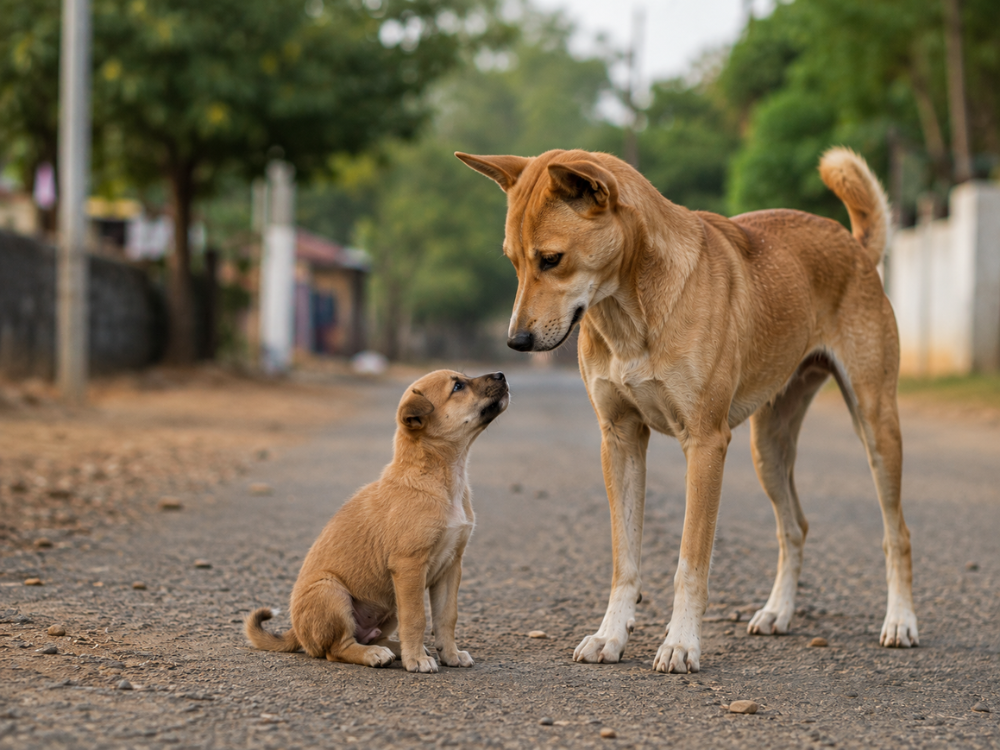
Not in the conventional sense, and this is worth understanding clearly. Because the Pariah isn’t bred through structured breeding programs the way Labradors or Indian Spitz are, there’s no real market of “breeders” selling Pariah puppies at a price point.
What sometimes happens is that pet stores or informal sellers will market puppies as “Indian breed mix” or similar at prices ranging from ₹1,000 to ₹5,000. In almost all cases, these are puppies from unplanned litters — often the same community dogs available through adoption, just being sold rather than given away. There’s no quality differentiation that justifies paying for what’s freely available through adoption channels, and buying in this way can inadvertently support a cycle where street dog litters are treated as a low-effort income source.
If your goal is specifically an Indian Pariah, adoption through an NGO or INDog-focused group is both the more ethical and more practical route, and it’s not meaningfully more expensive than any “buying” alternative.
The Real Cost: First-Month Setup
Whether your Pariah comes from the street, a shelter, or an INDog rescue group, the first month after adoption has costs that are fairly consistent regardless of source.
| Item | Approximate Cost |
| Initial vet check-up | ₹300 – ₹600 |
| Vaccination series (if not already done) | ₹1,500 – ₹2,500 |
| Deworming | ₹200 – ₹400 |
| Basic supplies (bowl, collar, bed) | ₹800 – ₹1,500 |
| Sterilisation (if not already done) | ₹1,500 – ₹3,000 |
| Total first-month estimate | ₹4,300 – ₹8,000 |
Sterilisation deserves a specific note. Many NGOs offer subsidised or free sterilisation for adopted street dogs, and some municipal programs in major Indian cities provide this at low or no cost. It’s worth checking with local animal welfare organisations before assuming the full ₹1,500–₹3,000 cost applies.
For puppies adopted very young, especially from street litters, house-training is often needed from scratch since there’s no prior socialisation to a home environment.
Recommended: Dog Training & Pee Pad — Pure Cotton Top with Lavender Fragrance
For a young Pariah puppy adjusting to indoor living for the first time, training pads make the transition considerably easier, especially in apartment settings where outdoor access isn’t immediate or constant. The cotton top is more absorbent than basic paper pads and holds up better to the frequent use a new puppy requires in the first few weeks.
Ongoing Monthly Costs
The Indian Pariah’s biggest practical advantage shows up here. This breed evolved in Indian conditions, eating what was available, surviving Indian climates, and generally requiring far less in ongoing costs than imported breeds.
| Expense | Approximate Monthly Cost |
| Food (commercial or home-cooked) | ₹800 – ₹1,800 |
| Veterinary check-ups (averaged) | ₹200 – ₹400 |
| Grooming | ₹0 – ₹100 (minimal; short coat, occasional bath) |
| Total estimate | ₹1,000 – ₹2,300 |
This is meaningfully lower than almost every imported breed covered in similar guides, and it’s not because Pariahs need less care — it’s because their physiology is genuinely matched to Indian conditions in ways that reduce the incidence of heat stress, certain skin conditions, and dietary sensitivities that plague breeds developed for different climates.
Health Profile: What Adopters Should Know
Indian Pariahs are, on average, a remarkably healthy breed compared to most recognised breeds, largely because natural selection over thousands of years filtered out many of the hereditary conditions that selective breeding for appearance has introduced elsewhere. Hip dysplasia, breathing problems, and many genetic conditions common in popular Western breeds are rare in Pariahs.
The main health considerations for adopted Pariahs relate to their start in life rather than their genetics: puppies from street litters often arrive with intestinal parasites, tick-borne diseases (particularly relevant given their early exposure to outdoor environments), and sometimes mange or other skin conditions from inadequate early care. These are all treatable and don’t reflect a long-term health disadvantage — they reflect the circumstances of where the puppy started, not what the breed is.
Conclusion
The Indian Pariah dog price in India is genuinely one of the lowest entry costs for dog ownership in the country, but the honest budget conversation is about the first month of vet care and setup rather than an acquisition price. If you’re considering adoption, an NGO or INDog rescue group is worth the modest fee over an informal street adoption purely because the medical groundwork is already done. Either way, you’re getting one of the healthiest, most climate-adapted dogs available anywhere in India, and the ongoing costs reflect that.
FAQs
Is it better to adopt through an NGO or take in a street puppy directly?
NGO adoption usually means vaccination, deworming, and sometimes sterilisation are already done, which often makes it cheaper overall than the vet costs of an informal adoption in the first month. If you do take in a street puppy directly, budget ₹2,000–₹4,000 for initial vet care in the first few weeks.
Are Indian Pariah dogs good with families and apartments?
Yes, generally. Pariahs are intelligent, adaptable, and form strong bonds with their families. Apartment living works fine with regular walks — they don’t have the high-intensity exercise needs of working breeds like Boxers or German Shepherds, though daily activity is still important.
Do Indian Pariahs need a special diet?
No. Pariahs do well on standard commercial dog food or home-cooked meals using the same general guidelines as other medium breeds — adequate protein, plain rice or similar carbs, vegetables, and avoiding onion, garlic, and grapes. Their digestive systems tend to be less sensitive than imported breeds, partly due to generations of adapting to varied, opportunistic diets.
Can Indian Pariah dogs be registered with the Kennel Club of India?
Not currently as a standard recognised breed in the way Indian Spitz or other established breeds are, though there’s active advocacy from conservation groups working toward formal recognition. This doesn’t affect the dog’s suitability as a pet — it’s a documentation status, not a quality marker.
Why do some sellers charge money for “Indian breed” puppies if Pariahs are available for adoption?
This usually reflects unplanned litters from community dogs being sold rather than surrendered to shelters or given away. There’s no quality or health advantage to paying for these puppies over adopting through an NGO, and adoption is the more sustainable option both for the individual dog and for managing community dog populations responsibly.

 August 24, 2026