






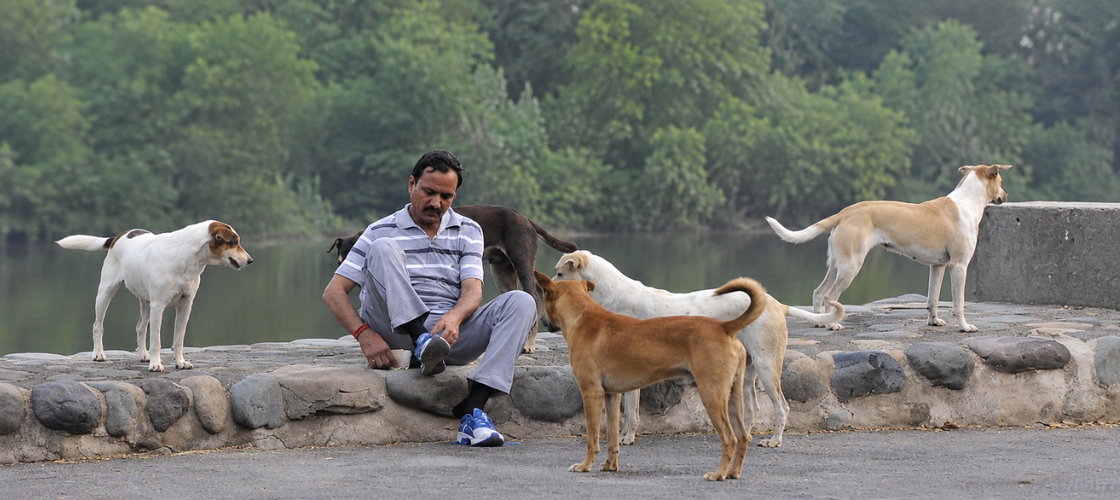
The Municipal Corporation of Chandigarh has floated a third tender for stray dog sterilisation this year, even as dog bite cases in the city continue to climb and the programme’s track record has been anything but consistent.
The tender covers sterilisation and anti-rabies vaccination work at the ABC Centre in Raipur Kalan. It is the third attempt this calendar year to engage a private agency after previous tendering rounds ran into delays, disputes, or administrative bottlenecks.
A Programme That Has Kept Stopping and Starting
Chandigarh’s sterilisation drive has a long pattern of interruptions. The ABC programme was put on hold in February 2026 for administrative reasons and did not resume for three months. When it did restart in June, the MC Commissioner said the corporation would run it directly rather than waiting for an agency to be contracted. The third tender is now the attempt to shift that back to private agency delivery.
Earlier in the year, a tendering attempt was cancelled after a dispute between two competing firms. A second attempt followed. The current float is the third.
Each gap in the programme means weeks or months during which sterilisations are not happening, and the stray population is not being checked.
What the Numbers Look Like
Dog bite cases in Chandigarh have been rising consistently. The Government Multi Specialty Hospital in Sector 16 recorded 7,107 cases in 2022. By 2024, that number had climbed further. One of the city’s AAM facilities alone logged 29,190 cases in 2022, a figure that reflects just how significant the volume of patients being treated is across the UT’s health infrastructure.
Part of the complication is that Chandigarh’s hospitals draw patients from outside its borders. Medical officers have repeatedly noted that a significant number of bite victims coming in for anti-rabies vaccination are from Mohali, Panchkula, and surrounding areas, where government hospital access for this specific treatment is more limited. That inflates Chandigarh’s reported figures but does not change the underlying trend.
Around 500 to 600 dog bite cases were being reported every month in the city even before the latest spike. That figure has not come down despite the sterilisation work done over the years.
Twenty-Two Thousand Dogs and Counting
Since 2015, the MC claims to have sterilised over 22,000 stray dogs at a cost of Rs 2.14 crore. The last official dog census, conducted by the UT Animal Husbandry Department in 2018, put the city’s stray population at 12,920. The gap between those two figures has raised persistent questions from councillors and residents about whether the sterilisation numbers on paper match what is happening on the ground.
BJP councillor Harpreet Kaur Babla put it plainly at a House meeting earlier this year: “Despite sterilisation, the number of stray dogs is increasing. We need to take effective steps to identify how many have actually been sterilised as there is no visible result on the ground.”
The tricity coordination effort involving mayors of Chandigarh, Panchkula, and Mohali, announced over a year ago with plans for monthly meetings and shared data on stray populations, sterilisation numbers, and vaccination drives, has also largely remained on paper.
What the Third Tender Needs to Deliver
The new tender mandates that any contracted agency must sterilise a minimum of 150 dogs per month, with at least two-thirds being female dogs. That threshold reflects a shift in the MC’s approach following expert input suggesting that sterilising females has a significantly greater impact on population control than sterilising males.
A CCTV camera on catching vans has also been made mandatory, a change pushed through after questions were raised about the documentation and verification of sterilisation work.
Whether this tender finds takers quickly, gets through technical and financial evaluation without dispute, and actually results in a sustained, uninterrupted programme will determine whether Chandigarh gets any visible ground-level change out of this latest attempt.

 September 30, 2026