






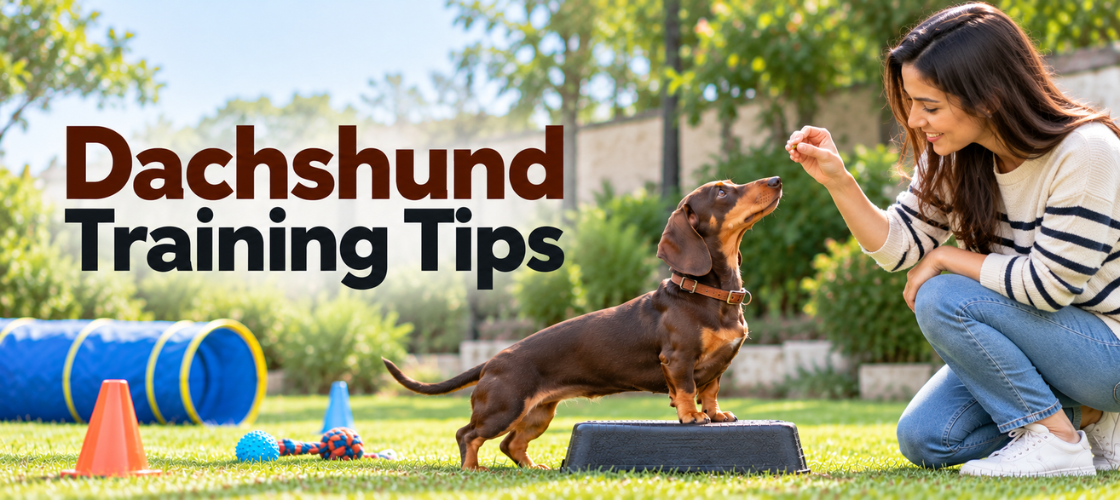
The Dachshund was bred to hunt badgers underground — alone, without direction from a handler, making independent decisions in a dark tunnel. That history is entirely relevant to why training a Dachshund is the specific kind of challenge it is. The breed is not stupid. It is deeply, constitutionally independent, built to work without taking instruction, and entirely capable of ignoring a command it has understood for months the moment it decides something else is more interesting.
These Dachshund training tips are written around that reality, not around what training looks like for a Golden Retriever or a Labrador.
The Mindset Shift That Makes Dachshund Training Work
Most training advice is written for biddable breeds that want to please and respond to direction. With a Dachshund, the working assumption has to be different: the dog is making a cost-benefit analysis every time you ask it to do something. Is complying more rewarding than not complying? If yes, it will comply. If no, or if the calculation is close, it may not.
According to animal behaviourist research in Intelligence of Dogs by Stanley Coren , Dachshunds rank in the lower tier for working and obedience intelligence — not because they can’t learn commands, but because they require more repetitions than breeds that are wired to take direction. The intelligence is there. The cooperative orientation is not.
Food: Your Primary Training Tool
Dachshunds are food-motivated, which is the most useful thing about training them. High-value, small-piece treats used to mark and reward correct behaviour produce results with this breed that no amount of verbal praise alone can replicate. Keep sessions under 10 minutes. Dachshund attention during formal training is shorter than their focus during a self-directed activity.
Recommended: Petology Retractable Dog Leash
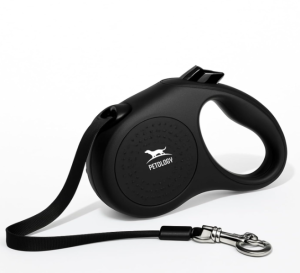
Recall training on a long lead in open outdoor spaces is particularly important for Dachshunds, who have a scent-following instinct that can override everything else when a trail is present. The 16-foot extension gives the dog enough range to practice coming back from a distance while the lead maintains a safety net. Proof recall extensively on lead before attempting it off-lead in any unfenced space.
House Training: The Longest Part of Dachshund Ownership
House training a Dachshund takes longer than house training most other breeds. The standard estimate is 3 to 6 months for consistent reliability. Dachshunds make selective decisions about whether to comply, particularly when going outside requires effort or when the weather is unappealing. Dachshunds are famously reluctant to go out in rain. An Indian Dachshund during monsoon may stage a full refusal at the door.
The system that works: take the dog out after every sleep, meal, and play session. Reward outdoor elimination immediately and enthusiastically. Supervise indoors between these windows. Never punish accidents that happened more than a few seconds ago.
Also Read: Dachshund Grooming Guide: Short, Long & Wire-Haired Coat Care
Recommended: D&C PAWS Pet Cooling Mats

A Dachshund’s low-to-ground build means warm floors during Indian summers are a real comfort issue. A cooling mat in the dog’s rest area makes indoor settling more attractive and reduces the restless, distracted behaviour that leads to indoor accidents. A Dachshund that is physically comfortable in its designated rest space is more likely to settle there between outdoor trips.
Managing the Dachshund Spine During Training
Dachshunds should not jump up onto or down from surfaces during training. The spinal disc vulnerability that makes Dachshunds prone to intervertebral disc disease means repeated impact on the spine from jumping is a genuine health risk. Do not use training exercises that require the dog to jump, rear up, or land from a height. Keep all training at floor level.
The Commands That Matter Most
Sit and down: The foundation commands. Dachshunds learn sit quickly. Down takes longer because the physical position feels more vulnerable to an independent dog.
Stay: Difficult because compliance requires the dog to choose to remain rather than follow its own interest. Proof it in every environment where you’ll need it.
Come: The most important for safety. A Dachshund on a scent trail will not return just because you called once. Never call the dog for something unpleasant or the command loses value.
Leave it: Essential given the breed’s tendency to pick things up at ground level on Indian streets and parks.
Conclusion
Dachshund training is a longer project than most owners expect, and the Dachshund training tips that work are those that accept the breed’s independent nature rather than fighting it. Make compliance the most rewarding option, keep sessions short, and proof every command in every environment where you need it to work.
FAQs
My Dachshund knows commands perfectly when I hold food but ignores them when I don’t. How do I fix this?
This is lure dependency, not training. The fix is to ask for the behaviour before the food is visible, mark the correct response, and then produce the reward from a pocket or treat pouch. The dog learns that compliance predicts the reward rather than that visible food triggers the behaviour.
How do I stop my Dachshund from barking at the door?
Teach a place command — a designated spot the dog goes to when the doorbell rings. Train it separately from the door scenario first, building reliability on the mat before introducing the doorbell as the trigger.
My Dachshund flat-out refuses to come when called at the park. What should I do?
Go back to a long lead and treat every recall as a high-value event. Never recall your Dachshund and then immediately end the fun. Recall should predict something good, not the end of the walk.
Is crate training good for Dachshunds?
Yes. Dachshunds are den animals by instinct and take well to crate training when introduced with patience. The crate must never be used as punishment.

 October 15, 2026