






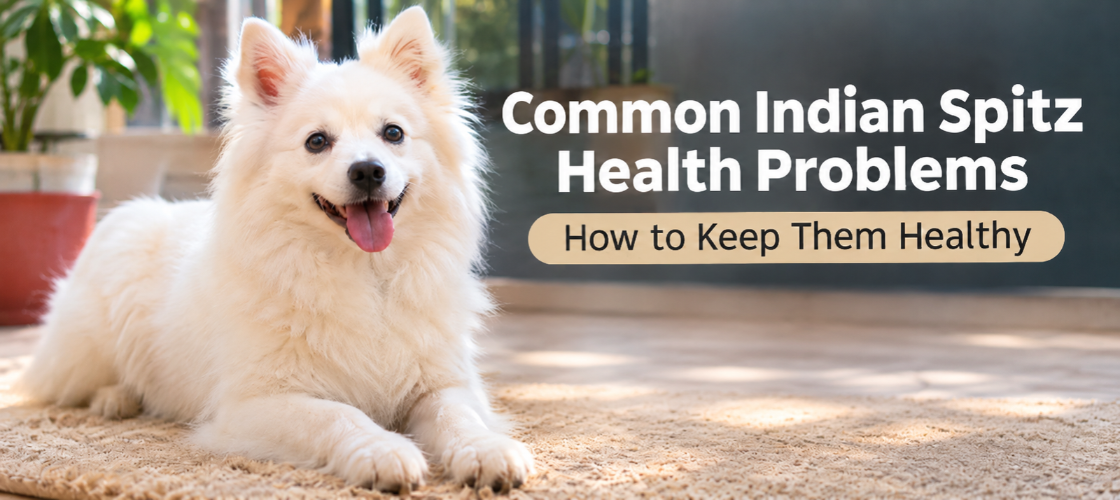
The Indian Spitz has a deserved reputation for being a hardy, adaptable breed. It evolved in Indian conditions over generations without the kind of intensive selective breeding for appearance that has given many imported breeds a portfolio of hereditary health problems. That hardiness is real and worth appreciating. It does not mean the breed has no health concerns at all — it means the concerns are manageable, preventable in many cases, and directly connected to the care practices that owners build or don’t build.
This guide covers the Indian Spitz health issues most commonly encountered by Indian owners, with practical prevention and early detection guidance.
Dental Disease: The Most Underestimated Concern
Dental disease is the leading health problem in Indian Spitz, as it is in most small-to-medium breeds. The Spitz’s jaw structure creates crowding that accelerates tartar buildup, and tartar that isn’t removed leads to gum disease, tooth pain, and eventually tooth loss and bacterial entry into the bloodstream that can affect the heart, kidneys, and liver.
According to the Merck Veterinary Manual , by age 3, most dogs that don’t receive dental care have established gum disease. For a breed as dentally prone as the Indian Spitz, the intervention needs to start earlier, not after signs appear.
Tooth brushing 3 times a week with a dog-specific toothpaste is the most effective prevention. Annual dental checks at the vet, and professional cleaning when tartar has built up beyond what brushing can address, are the maintenance framework.
Patella Luxation
Patella luxation — the kneecap slipping out of its groove — is a common orthopedic condition in small-to-medium breeds, and Indian Spitz are no exception. It manifests as an intermittent skipping gait where the dog lifts one hind leg briefly while walking. Many Indian Spitz with grade 1 or 2 patella luxation live normal, active lives without intervention.
Weight management is the most important management tool for mild cases — excess body weight increases the mechanical stress on the kneecap mechanism. A lean Indian Spitz with grade 1 luxation may never need anything beyond monitoring.
Recommended: Absolut Pet Hip and Joint Supplements
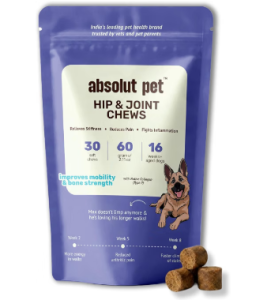
For Indian Spitz with mild patella luxation or early signs of joint stiffness, a glucosamine and chondroitin supplement supports cartilage health and joint fluid quality. This is particularly relevant for middle-aged Spitz (4 to 7 years) that are beginning to show gait changes without significant pain — early supplementation can slow the progression and maintain mobility longer than waiting for obvious symptoms.
Skin and Coat Conditions
The Indian Spitz’s double coat is both its most attractive feature and its primary skin health management requirement. Matting in the undercoat creates conditions where moisture and heat are trapped against the skin, leading to hot spots, fungal infections, and bacterial dermatitis — all of which are more common during India’s monsoon months.
Recommended: HANK Deshedding Brush for Dogs
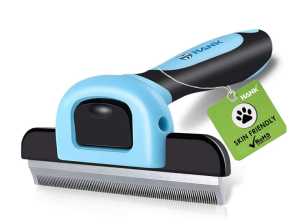
A deshedding brush specifically designed for double-coated breeds removes the dead undercoat that causes matting and skin issues far more effectively than a standard bristle brush. For an Indian Spitz with a dense fluffy coat, a deshedding tool used once or twice a week reduces the mat formation that is the primary precursor to skin problems. Regular undercoat removal also improves thermal regulation, which matters for a dog with this much coat in Indian climate conditions.
Eye Conditions
Indian Spitz are prone to excessive tearing, which in this breed is often related to the coat growing into the eye area rather than a structural eye problem. Fur that touches the cornea causes irritation, tearing, and over time can lead to corneal scratching. Regular trimming of the fur around the eye prevents most tearing-related issues. Progressive Retinal Atrophy (PRA) has been documented in the Indian Spitz. It causes gradual vision loss and currently has no effective treatment, but early detection allows owners to manage the dog’s environment to accommodate declining vision.
Epilepsy
Seizures have been documented in the Indian Spitz at a rate higher than some other Indian breeds. Idiopathic epilepsy in the Spitz usually presents between 6 months and 3 years. A single seizure doesn’t diagnose epilepsy, but it warrants a vet visit. Epilepsy is manageable with medication and doesn’t prevent a dog from living a full, active life.
Conclusion
Indian Spitz health issues are manageable and in many cases preventable with the daily and weekly care habits that good ownership builds. Dental hygiene from puppyhood, regular brushing that prevents matting and skin problems, weight management to protect the joints, and annual vet checks are the practical framework. The breed’s natural hardiness gives you a good starting point. The owner’s consistent care is what sustains it.
FAQs
My Indian Spitz skips on its hind leg sometimes. Should I be worried?
This is a classic sign of patella luxation. A vet examination that grades the luxation is the first step. Mild grade 1 or 2 luxation in an otherwise healthy, lean Spitz is often managed with monitoring and weight control rather than surgery.
How do I know if my Spitz has a dental problem if it’s not showing obvious signs?
Bad breath is the most accessible indicator. A healthy dog’s breath is neutral. Strong, persistent odour indicates bacterial activity in the mouth that has progressed beyond cosmetic tartar into active gum disease.
Can hot spots in Indian Spitz be prevented entirely?
Not entirely, but significantly. Regular brushing, thorough drying after bathing, and keeping the dog cool during peak Indian summer heat reduces hot spot incidence dramatically.
Is the Indian Spitz a good breed for someone without much veterinary access?
The breed’s hardiness is a genuine advantage for owners in areas with limited veterinary access. Most Indian Spitz health issues are either preventable through routine care or slow-developing enough that they don’t represent emergencies.

 November 16, 2026
 By Himani Aggarwal