


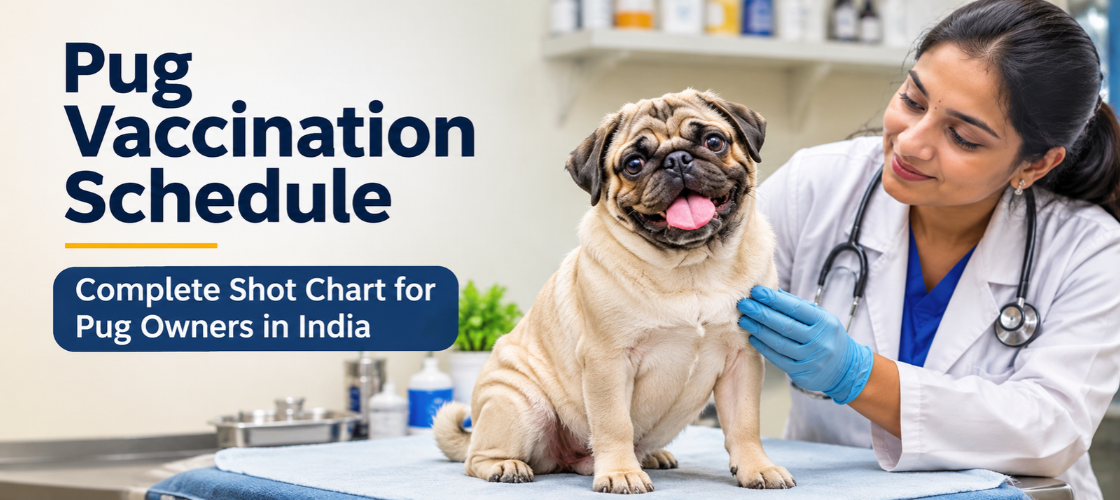
Pugs are among the most affectionate, people-bonded dogs available, and their popularity in Indian cities reflects that. They’re also among the breeds that need the most careful veterinary management because of their brachycephalic anatomy, which creates specific considerations around vaccination and general health monitoring that don’t apply to most other dogs. The vaccination schedule itself is straightforward. The surrounding context specific to Pugs is what this guide is designed to make clear.
This guide covers the Pug vaccination schedule from puppy through adult maintenance, with the brachycephalic-specific notes Indian owners need to know.
Core Vaccines Every Pug in India Needs
DHPPiL: The backbone of the puppy series and adult maintenance. Parvovirus is the most acute risk for Indian Pug puppies — it spreads through environmental contamination and is fatal quickly in puppies that haven’t completed their series.
Rabies: Legally required in most Indian states. Given at 12 to 16 weeks and boostered annually or every 3 years depending on the product used.
Leptospirosis: Functions as a core vaccine in India given the monsoon flooding and rat-contaminated water bodies in most Indian cities.
The Puppy Vaccination Timeline
| Age | Vaccine | Notes |
| 6 weeks | DHPPiL (first dose) | If rescue or uncertain-history puppy |
| 8 weeks | DHPPiL (second dose) | Standard starting point |
| 10 to 12 weeks | DHPPiL (third dose) + Leptospirosis first dose | |
| 12 to 16 weeks | Rabies (first dose) | |
| 16 weeks | DHPPiL booster | Completes puppy series |
| 6 months | Deworming and health review |
During the gap between vaccine doses, Pug puppies should not be taken to areas with stray dog traffic, communal water sources, or pet stores. More than with many breeds, this window matters because Pug puppies’ compressed airways mean a parvovirus infection can escalate quickly.
Adult Booster Schedule
| Vaccine | Frequency |
| DHPPiL | Annually |
| Leptospirosis | Annually |
| Rabies | Annually or every 3 years |
| Kennel Cough | Before boarding or group contact |
The Brachycephalic Consideration at the Vet
Every Pug owner in India should know that Pugs are at higher anaesthetic risk than most breeds. Their compressed airways mean that procedures requiring sedation carry more risk, and the breed is more sensitive to stress and overheating in clinical environments. Choose a vet familiar with brachycephalic breeds and tell them the dog is a Pug when booking appointments.
After vaccination, Pugs are more likely than most breeds to show temporary lethargy because their respiratory efficiency is lower to begin with. A Pug showing laboured breathing, facial swelling, or persistent vomiting after vaccination is showing a reaction that needs immediate veterinary attention.
Outdoor Care Between Vaccine Visits
Recommended: FURMETIC Anti Tick and Flea Spray
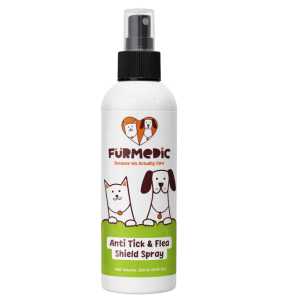
A monthly flea and tick spray applied after outdoor sessions provides a layer of protection that vaccination doesn’t cover. Pugs that visit parks or any green space are at real tick risk in India, and their wrinkled skin provides hiding spots that standard coat checks miss. A regular spray routine between vet visits reduces the parasite load that can undermine the dog’s general health and immune status.
Recommended: Foodie Puppies Pet Dental Oral Care Kit
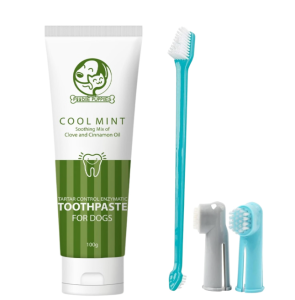
Pug dental health is a significant issue the vaccination schedule doesn’t address but the annual vet visit context makes natural to mention. Pugs’ compact jaw structure creates crowding that accelerates tartar buildup and periodontal disease. Dental disease in Pugs leads to pain, infection, and eventually systemic health issues if untreated. Regular tooth brushing with a breed-appropriate dental kit prevents the majority of these problems.
Conclusion
The Pug vaccination schedule follows the same core structure as any dog in India. The breed-specific details — brachycephalic sensitivity, post-vaccine monitoring, and the dental and parasite care that complements the vaccine routine — are what makes a Pug health protocol a Pug health protocol. Find a vet who knows the breed, maintain the annual booster routine, and treat the vaccine appointments as the anchor for the broader health check-in that Pugs genuinely need.
FAQs
My Pug is very anxious at the vet and gets stressed during vaccine visits. How do I manage this?
Desensitisation visits — trips to the vet clinic where nothing happens except treats and positive interaction — reduce the anxiety association over time. Book a purely social appointment with the vet’s agreement, let the Pug explore the waiting room and meet the staff, and leave without any procedure being done.
Does my Pug need the kennel cough vaccine if it doesn’t board?
If the dog doesn’t regularly interact with other dogs in group settings, it’s lower priority. If the dog goes to parks, training classes, or grooming facilities where other dogs are present, the kennel cough vaccine is worth adding.
My Pug is 4 years old and never had a booster after the puppy series. What should I do?
Book a vet visit and be honest about the gap. Most vets will re-vaccinate without needing a full restart of the series. In India’s disease exposure environment, four years without boosters is worth addressing promptly.
My Pug had facial swelling after a vaccine last time. Is this serious?
Yes, facial swelling after vaccination is a sign of an allergic reaction that needs veterinary documentation and management. Tell your vet about it before the next vaccination. Pre-treatment with an antihistamine before subsequent vaccines is common practice for dogs with known hypersensitivity.

 By Himani Aggarwal
 December 8, 2025