




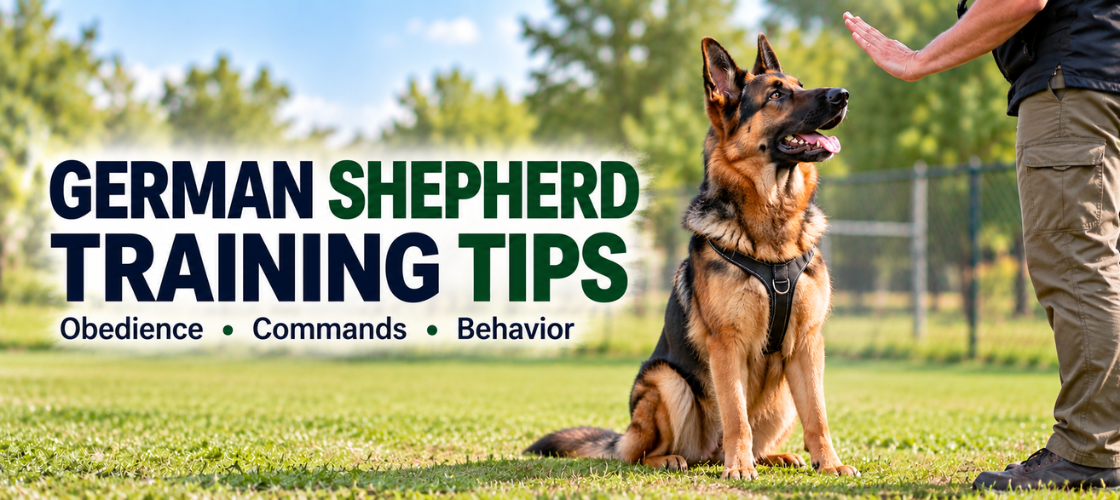
German Shepherds are among the most trainable dogs in the world, which is precisely why undertrained GSDs are such a problem. The same intelligence, energy, and drive that makes the breed excel at protection work, search and rescue, and competitive obedience also produces a dog that develops bad habits with extraordinary speed when those qualities have no outlet or structure. A bored, untrained GSD will find something to do with its intelligence. You will not like what it chooses.
These German Shepherd training tips are written for Indian owners managing a breed that requires more intentional structure than most family dogs, with specific attention to the challenges India’s environment and living conditions create.
Understanding What You’re Working With
GSDs are not Border Collies or Labradors. They don’t just want to please — they want to work, to have a job, to apply their intelligence to something with consequence. Training a GSD effectively means giving them something to engage with, not just a series of commands they perform for treats.
This matters because a GSD that’s only trained with food lures often develops what trainers call lure dependency — the dog performs when food is visible and ignores commands when it isn’t. Food is a tool to mark and reward the right behaviour, not a bribe shown before the behaviour is asked for.
According to the American Kennel Club , GSDs rank third in intelligence among all dog breeds in Stanley Coren’s classification. They typically learn a new command in fewer than 5 repetitions and obey first commands at a rate of over 95%. The ceiling on what they can learn is genuinely high. The work is in channelling it.
Core Commands in the Right Order
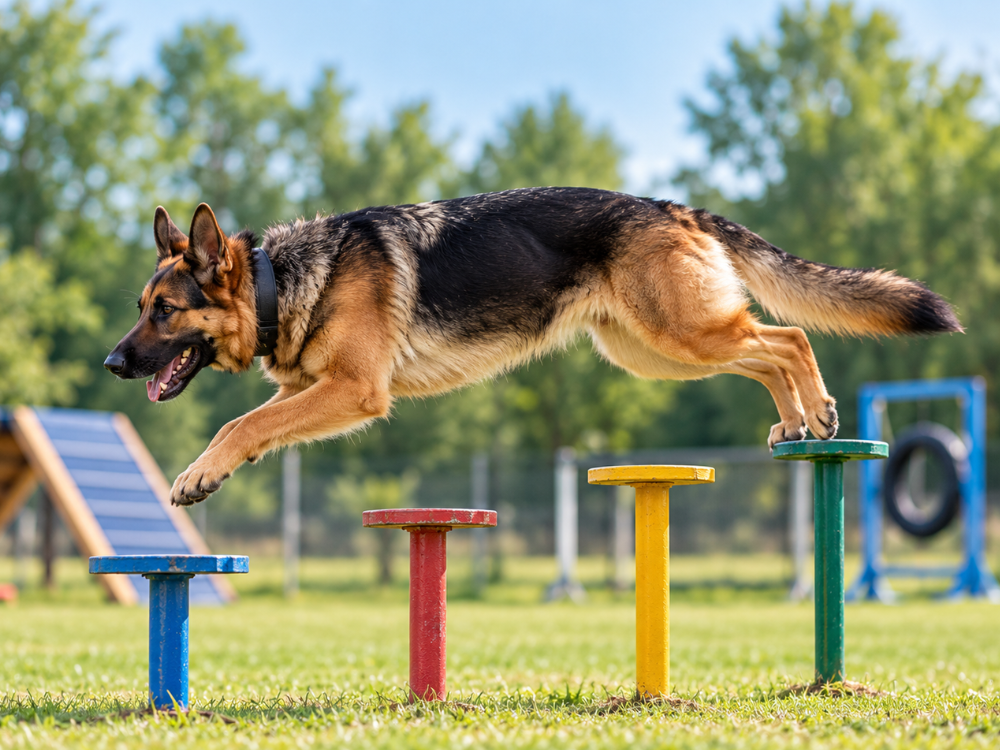
Start with sit, stay, and come before adding anything more complex. GSDs learn these fast — often within 3 to 5 repetitions — but reliability in distracting environments takes weeks of proofing.
Down and place (going to a designated spot and staying there) are essential for a breed this size. A GSD that can hold a down-stay while guests arrive, during family meals, and while you answer the door is a dog that can be trusted in any household situation.
Heel is more important for GSDs than for many breeds because their size and drive make an untrained walk genuinely difficult for owners, particularly older family members or children. Train it early, before the dog’s physical strength makes poor leash manners a safety issue.
Socialization: The Most Important GSD Training Work
An undersocialized GSD is a liability. The breed’s protective instincts are strong, and without early, positive exposure to a wide range of people, animals, sounds, and environments, those instincts tip from appropriate alertness to fear-based reactivity or aggression.
The socialization window is roughly 3 to 14 weeks. For Indian GSD owners, this means deliberate exposure to: auto-rickshaws, motorbikes, street vendors, uniformed workers, children of various ages, other dogs, crowds, and the sounds of Indian urban life.
Recommended: HANK Dog Harness | 3M Reflective Pet Belt
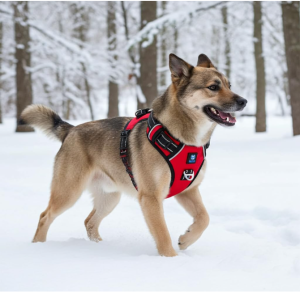
Socialization walks require control. A GSD puppy that lunges at a passing motorbike or another dog during a socialization outing creates a dangerous situation. A no-pull harness distributes force across the chest rather than the neck, giving you better control without the pressure on the trachea that a standard collar creates during reactive moments.
Managing GSD Drive and Intensity
The breed has significant prey drive and herding drive that shows up in different ways: chasing movement, intense focus on particular objects or people, and a working mode that can look alarming to people unfamiliar with the breed. These drives are not problems to eliminate but tools to direct. A GSD with prey drive can be taught to channel that focus into fetch, tug, or scent work.
Recommended: Dog Reflective Retractable Pet Leash – 360 Degree Zero Tangle Patent
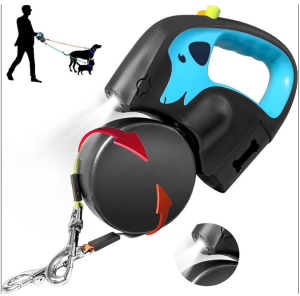
For controlled off-leash practice in open spaces, a long retractable lead lets the GSD move at a natural, engaged pace while you maintain the ability to reel in quickly if needed. The 16-foot extension is sufficient for recall training and basic drive exercises. The quick-lock mechanism is important for a breed this powerful — you need to be able to shorten the lead immediately.
Consistency Across the Household
A GSD will figure out exactly what each person in the household allows and calibrate its behaviour accordingly. If one family member allows jumping up and another corrects it, the dog learns to jump when person A is present and not when person B is. House rules need to apply equally across all family members, all the time.
Conclusion
The German Shepherd training tips that make the biggest difference are less about technique and more about consistency, early socialization, and treating the dog’s intelligence as something to engage rather than manage. A well-trained GSD is one of the most rewarding dogs an Indian family can own. The investment is front-loaded in the first year and pays dividends for the following decade.
FAQs
My GSD growls when strangers approach. Is this aggression or alertness?
Context determines the answer. A GSD that growls and then relaxes when the stranger behaves non-threateningly is displaying normal protective alertness. A GSD that growls with stiff body posture and doesn’t relax even when the threat has passed is showing fear or aggression that needs professional assessment. Do not correct or punish the growl — it is communication.
At what age should I start formal obedience training for my GSD?
Basic commands from 8 weeks, more structured obedience from 4 to 6 months. Puppy kindergarten classes at 10 to 12 weeks are beneficial both for training and socialization. There is no benefit to waiting until the dog is 6 months or older to begin.
My GSD ignores commands when it’s focused on something. How do I fix this?
This is a proofing problem, not a training problem. Go back to basics in that specific environment — lower the difficulty, increase the reward value, and build reliability gradually. A GSD that can hold a sit-stay in the living room needs separate training to hold that same stay at the park.
Is a GSD a safe dog for a household with children?
A well-socialized, trained GSD is generally excellent with children in its own family. The variables are socialization history, training level, and whether the dog had positive exposure to children during the critical period.

 October 7, 2026